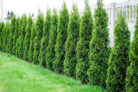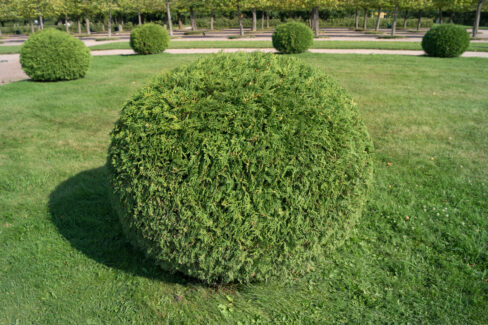
Arborvitae (Thuja) is a classic choice for privacy hedges, but it’s also a fantastic candidate for topiary. When it comes to getting creative in your garden, the sky’s the limit! One of the most popular looks is the classic globe shape. If you’ve been wondering how to get that perfect round look, I’ve got you covered.
When and how often should you prune for shape?
If you’re planning on shaping your Thuja, you’ll need a little bit of patience. I recommend waiting until the tree has been in the ground for at least two years. This gives it plenty of time to get settled in its new home and establish a strong root system. Once the third year rolls around, you can head out in mid-April to start crafting that first sphere.
Unlike a standard hedge, topiary requires a bit more maintenance to keep it looking sharp. Depending on how much of a perfectionist you are, you might want to trim your globe up to three times a year. Here’s a good schedule to follow:
- The Main Cut: April
- First Touch-up: Late June
- Second Touch-up: Late August
Picking the perfect day to prune
To keep your Arborvitae from developing those dreaded brown tips, timing is everything. Try to pick a cloudy day rather than a sunny one. You also want the tree to be dry; cutting wet branches can lead to discoloration and creates the perfect environment for fungal diseases to move in.
How to prune your Thuja into a globe
April is the time for your heavy lifting. During this main pruning session, you can cut back quite a bit. This is also the perfect time to clear out any tangled inner branches to improve air circulation, which helps prevent the center of the tree from thinning out. Just a heads-up: never cut back past the green growth into the old wood. Thuja won’t grow back from those bare spots!
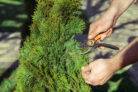
Now, you can definitely “freehand” the shape if you’re feeling confident. But if you want a perfect circle, I suggest using a template made of wire or cardboard. You can place a wire frame over the Thuja and simply snip off anything poking through. If you’re using a cardboard cutout, just move it around the tree as a guide to keep your lines even.
In late June and late August, you can go back in for those minor corrections. Just trim back any “rebel” twigs that have grown past your desired shape to keep everything looking neat and tidy.