To keep your Thuja Brabant (also known as American Arborvitae) healthy and looking sharp, you’ll want to give it a good trim at least once a year. If you’re growing them as a hedge, regular pruning is pretty much a must to keep that wall of green looking its best. Here’s the lowdown on how to get it right.
Why should you prune your Thuja Brabant?
Pruning is a key part of Thuja Brabant care, and there are plenty of good reasons to grab your shears. It helps with:
- Encouraging thick, dense growth
- Maintaining the shape
- Rejuvenating the plant
- Preventing fungal infections
- Fighting off diseases
- Removing brown tips or buds
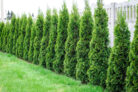
While a standalone tree doesn’t strictly *need* to be pruned, it definitely boosts its overall vitality. However, if you have an Arborvitae hedge, you can’t skip this step. Without regular maintenance, the hedge can thin out over time, leaving you with gaps in your privacy screen.
When is the best time to prune?
Technically, Thuja Brabant is pretty hardy and can handle a trim almost anytime. However, you want to avoid days with frost, heavy rain, or scorching direct sun. Extreme weather can cause the cut ends to turn brown. Also, keep local wildlife in mind—many gardeners wait until late summer or early fall to avoid disturbing nesting birds.
For a young hedge, the best time for a “real” prune is early spring, just before the new growth starts. This is when the plant can handle a more significant cut (just be careful not to cut back into the old, bare wood!). You can follow up with a light “haircut” in early summer to tidy up any stray branches. Once your hedge is older and established, one good trim a year is usually plenty.
Spring is also the perfect time for a radical shape-up. In early summer, you can just snip off any runaway shoots and thin things out a bit. Of course, if you spot a disease, don’t wait—act as quickly as possible to prune out the affected areas.
How do you prune a Thuja Brabant?
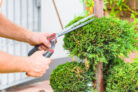
When you’re ready to start cutting, keep these tips in mind:
- Only trim the green growth
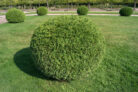
- Aim for a slightly tapered (conical) shape for hedges
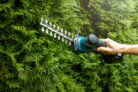
- Use sharp, clean tools
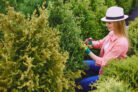
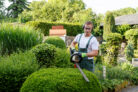
- Wear long sleeves, gloves, and eye protection
One big rule: if you cut back into the old, brown wood, the Arborvitae won’t grow back from that spot. By pruning your hedge so it’s slightly wider at the bottom than the top (a tapered shape), you ensure the lower branches get enough sunlight to stay green. Also, a quick heads-up: Thuja is toxic, and the sap can really irritate your skin. Definitely cover up and protect your face before you dive in!
As for the cleanup, you can toss your trimmings right onto the compost pile—unless they are diseased or infested with pests. To speed things up, shred the branches before mixing them in with your other compost.