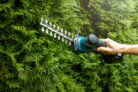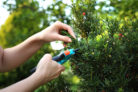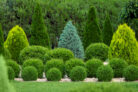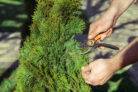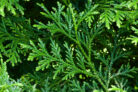
Thuja (Arborvitae) is incredibly resilient when it comes to pruning, making it a fantastic candidate for topiary. As long as you follow a few basic rules, you can pretty much let your imagination run wild! Here’s my guide on how to shape your “Tree of Life” like a pro.
What shapes can you prune a Thuja into?
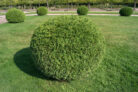
With a little patience and the right tools, you can transform your Thuja into almost any shape imaginable. While a classic straight hedge is the standard, these styles are super popular right now:
If you’re a beginner, don’t sweat it—you can buy wire frames at most garden centers to use as a guide. And hey, if you love the look but don’t have the time to maintain it, a local landscaping crew can always handle the detailed shaping for you.
When is the best time to shape your Arborvitae?
A standard hedge only needs a trim once or twice a year, but topiary requires a bit more “TLC” because new growth can quickly hide your hard work. I recommend doing your main heavy pruning in April. To keep that shape looking sharp, do a quick touch-up trim in late June and again in late August.
Pro tip: To avoid those pesky brown tips, try to prune on a cloudy but dry day. Direct sunlight on freshly cut branches can “burn” the plant, while too much moisture creates a breeding ground for fungal diseases.
How do you actually perform the topiary cut?
To get the best results for your Thuja, keep these key points in mind:
- Always use clean, sharp tools
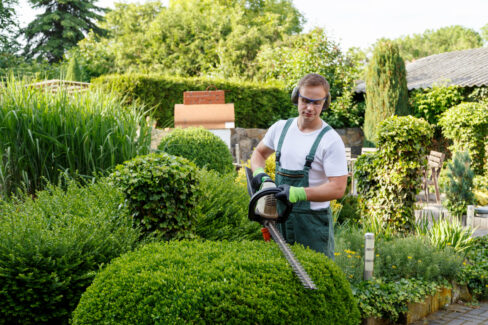
- Wear protective gear for your skin, eyes, and lungs
- Pick a day with the right weather
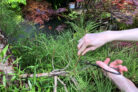
- Never cut back into the “old wood”
- Use templates or frames if you need a helping hand
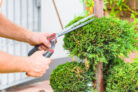
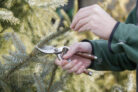
Dirty shears are the fastest way to spread plant diseases throughout your yard, so give your tools a good scrub before and after use. Also, make sure your blades are sharp; dull tools crush the branches instead of slicing them. One golden rule with Thuja: it won’t regrow from old, brown wood. Never prune back further than the green needles! The only exception is if you’re creating a “lollipop” standard, which looks great in a planter and pairs beautifully with other shapes.
Why do you need protective gear while pruning?
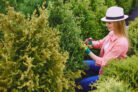
It’s important to remember that Thuja is toxic if ingested. Even the sap and the tiny dust particles kicked up during pruning can be a literal headache. Contact with skin, eyes, or mucous membranes can cause nasty allergic reactions. Do yourself a favor and wear long sleeves, gloves, a mask, and safety glasses. The good news? You can still toss the clippings onto your compost pile without any worries.