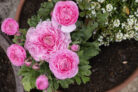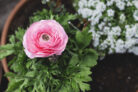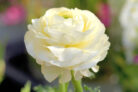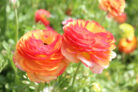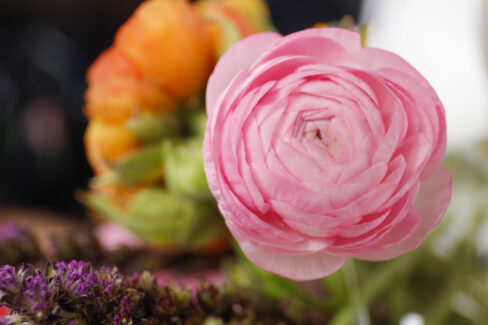
These charming members of the buttercup family are absolute showstoppers, featuring lush, multi-colored blooms that look just like mini peonies. Depending on the variety and how they’re grown, you can enjoy a ranunculus season that lasts for quite a few weeks.
Greenhouse-Grown Ranunculus
Generally speaking, these beauties are grown specifically for the floral trade. The Netherlands, in particular, is home to massive greenhouses where ranunculus are cultivated for markets all over. Thanks to the consistent warmth under glass, these early bloomers are ready for sale as early as January. They’re professionally cut, packed, and shipped worldwide. Here in the States, you’ll usually find these greenhouse varieties in garden centers and flower shops from January through May.
Garden Ranunculus
In your own backyard, ranunculus typically start showing off in late spring, right around the time daffodils are brightening up the flower beds. The outdoor season really kicks into gear around mid-May. They’re a gardener’s dream, with dense, ruffled petals in almost every color imaginable. The way the petals are layered in a circle makes them look like a cross between a rose and a peony. By the time July winds down, their blooming window usually closes. However, you can stretch out that flower power by following a few simple tips:
- Deadhead wilted blooms immediately.
- Give them a dose of liquid fertilizer once a week.
- Keep the soil moist, but definitely avoid “wet feet” (standing water).
- If you’re growing them in pots, they actually prefer light shade over scorching sun.
Once the flowers have finally faded for the season, start cutting back on the fertilizer. Let the soil dry out occasionally so the tubers can prepare for their winter dormancy. Once the stems and leaves have completely dried up, you can prune them right down to the ground.
Using Ranunculus as Cut Flowers
Ranunculus make fantastic cut flowers for indoor arrangements. One pro tip: they don’t like to “drown” in the vase. Using just a little bit of water is actually much better for them. Change the water every two days and give the stems a fresh trim each time. With this routine, your bouquet should stay gorgeous for about 10 days.
While a mix of ranunculus and daffodils looks stunning, they don’t naturally play well together in a vase. Daffodils secrete a slimy sap that clogs the stems of other flowers, causing them to wilt prematurely. To make it work, let your daffodils sit in their own vase of water for a full day first. After 24 hours, wipe the stems clean—don’t trim them again!—and then you can safely add them to your ranunculus arrangement.