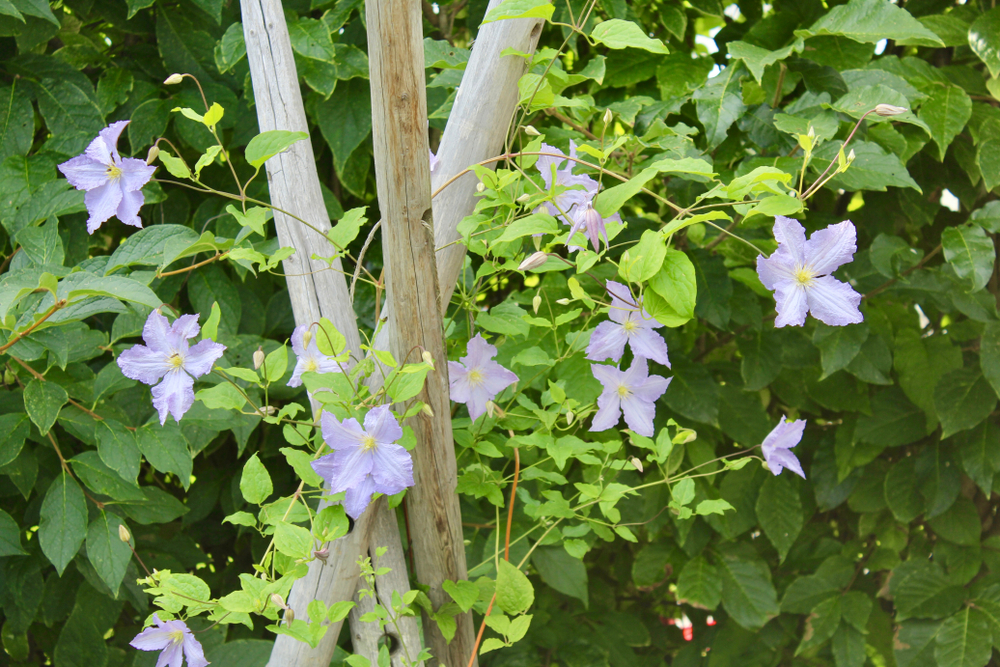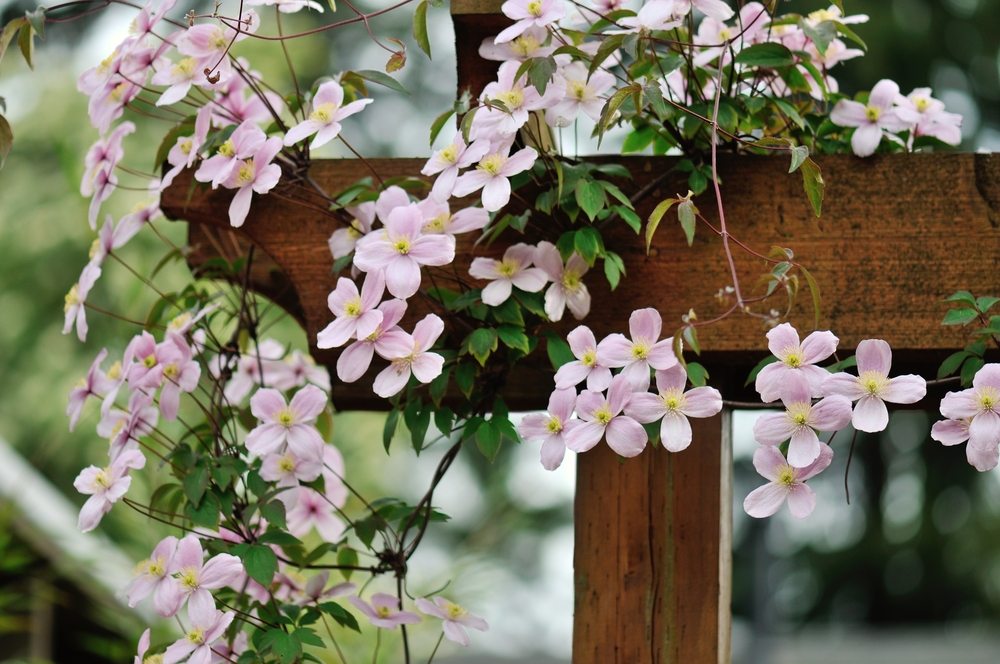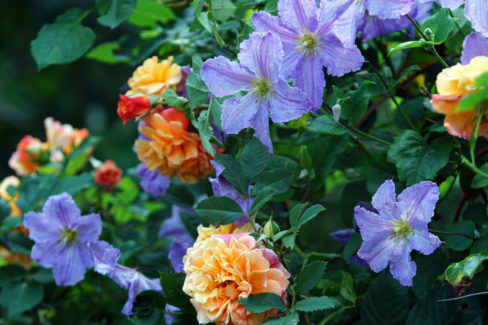
When it comes to classic climbing plants, clematis and climbing roses are the ultimate power couple. It’s no surprise that so many gardeners love pairing them up! If you’re thinking about bringing this beautiful duo into your own backyard, there are a few pro tips you should keep in mind to make sure they play nice together.
It’s All About the Timing
Since both of these beauties need a support system to grow, they’ll end up sharing the same trellis or arbor. Here’s the trick: clematis is a bit of a speed demon when it comes to growth. To make sure the rose doesn’t get overwhelmed, you’ll want to plant your rose first. Give it a head start to establish itself and get those first canes firmly attached to the trellis before introducing the clematis. This works out perfectly with the calendar, too, since the best time for planting clematis is usually between August and October.
Finding Common Ground
When it comes to the soil, both roses and clematis are “heavy feeders,” meaning they crave lots of nutrients. You’ll make them both very happy by mixing in some compost or organic fertilizer (like horn shavings) to give the soil a boost. Both plants also love soil that stays moist but drains well—nobody likes soggy feet! The one area where they differ slightly is sunlight. While climbing roses live for full sun, clematis often prefers a bit of partial shade. If you’re pairing them up, try to find a spot that offers a nice middle ground to keep both plants thriving.
The Pruning Puzzle
One thing to keep an eye on is your pruning schedule. For climbing roses, the rules are pretty straightforward: give them a good “rejuvenation” prune in the spring, and a light trim after they finish blooming to keep them looking tidy. Clematis is a little more specific. Because there are so many different varieties, they are categorized into different pruning groups based on when they bloom. You’ll want to check which group your specific clematis belongs to so you don’t accidentally snip off next year’s flowers!