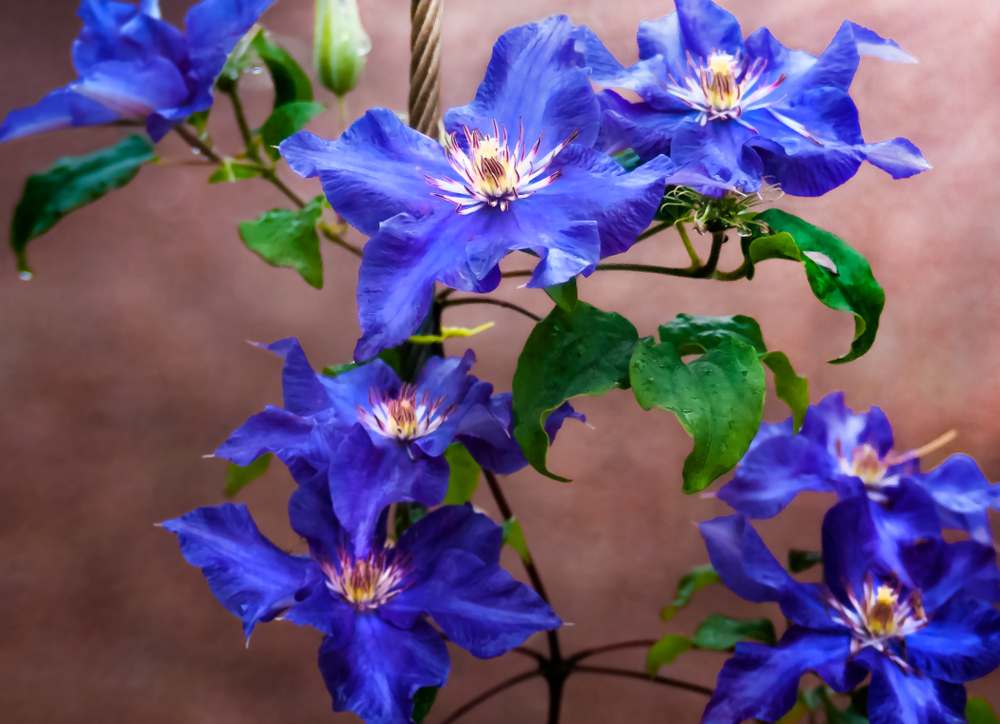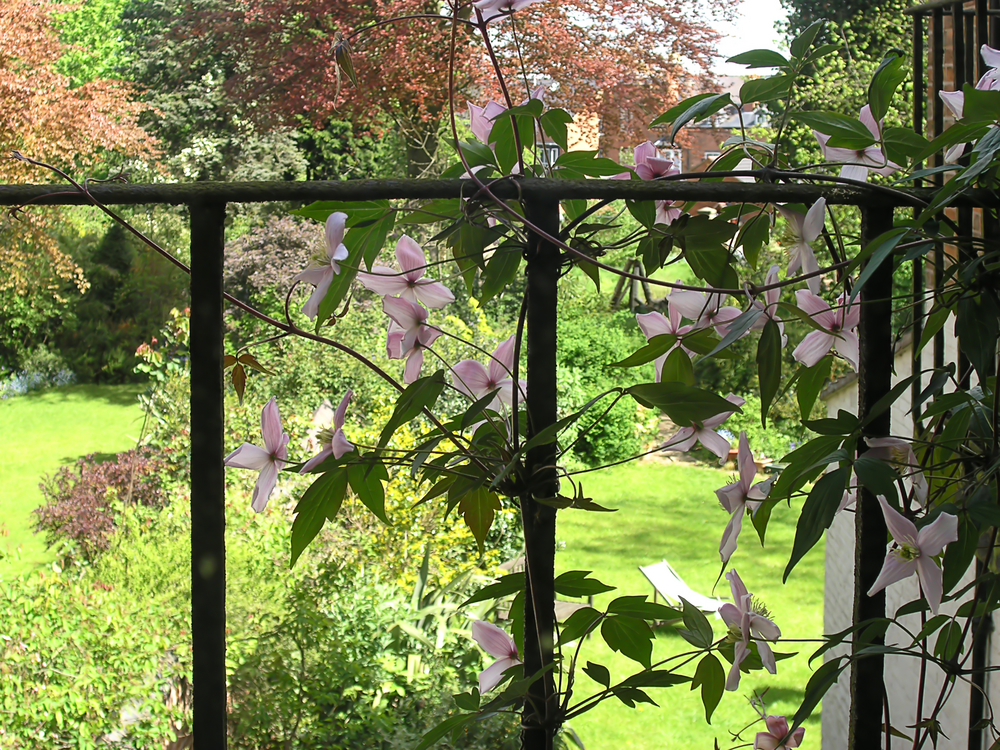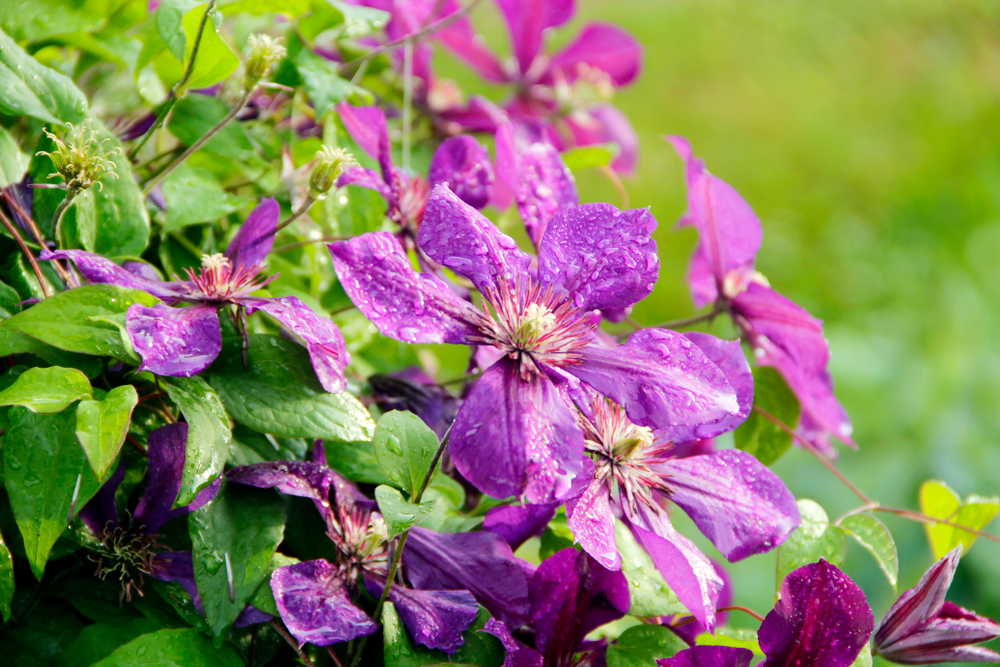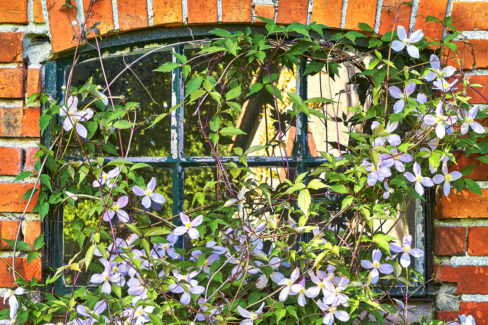
A natural green wall is a beautiful thing, but sometimes it feels like it’s missing a little something—a pop of color to really draw the eye and bring the garden to life. If you’re looking for a climbing partner as hardworking as ivy, look no further than the vibrant Clematis. Combining these two is a total game-changer for your backyard aesthetic. Let’s dive into why this duo works so well!
The Perks of This Plant Partnership
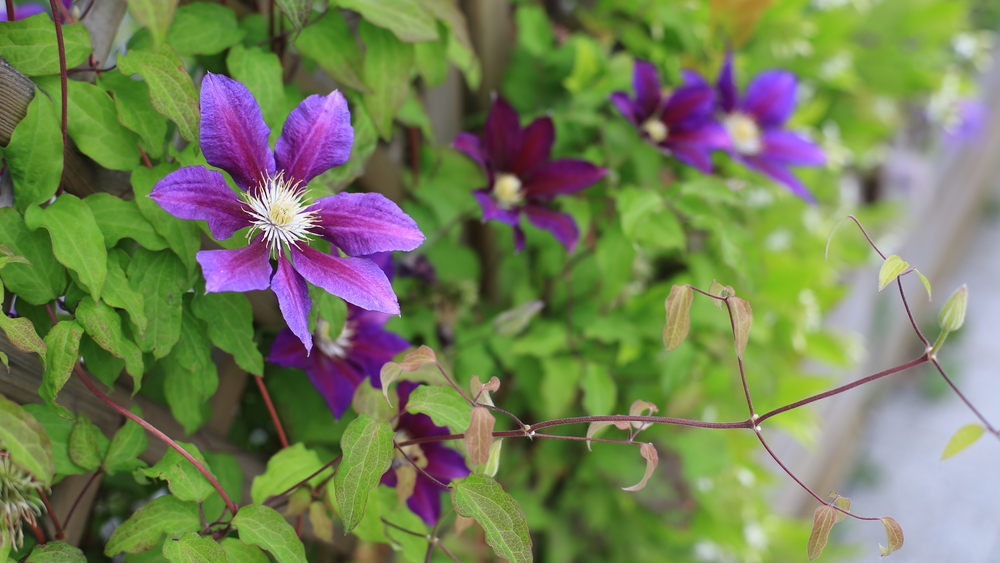
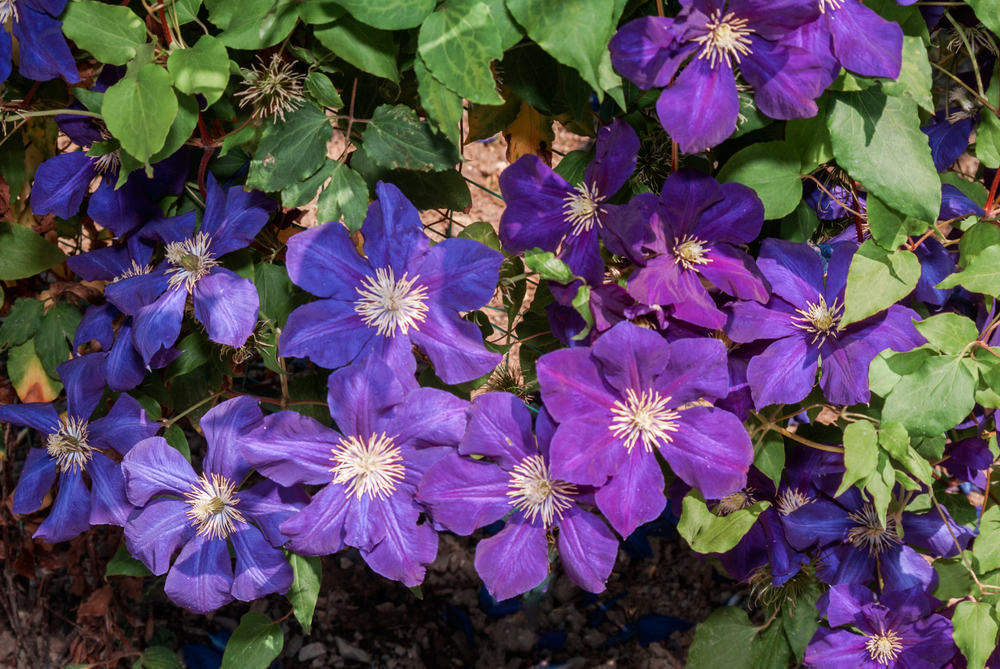
On their own, both plants are showstoppers. But when you plant them together, they create a “symbiosis” that offers some serious benefits. Ivy gets a major upgrade from the Clematis’s large, colorful blooms. Since ivy doesn’t usually flower until it reaches its mature stage (and even then, the flowers are pretty subtle), the Clematis provides that “wow” factor.
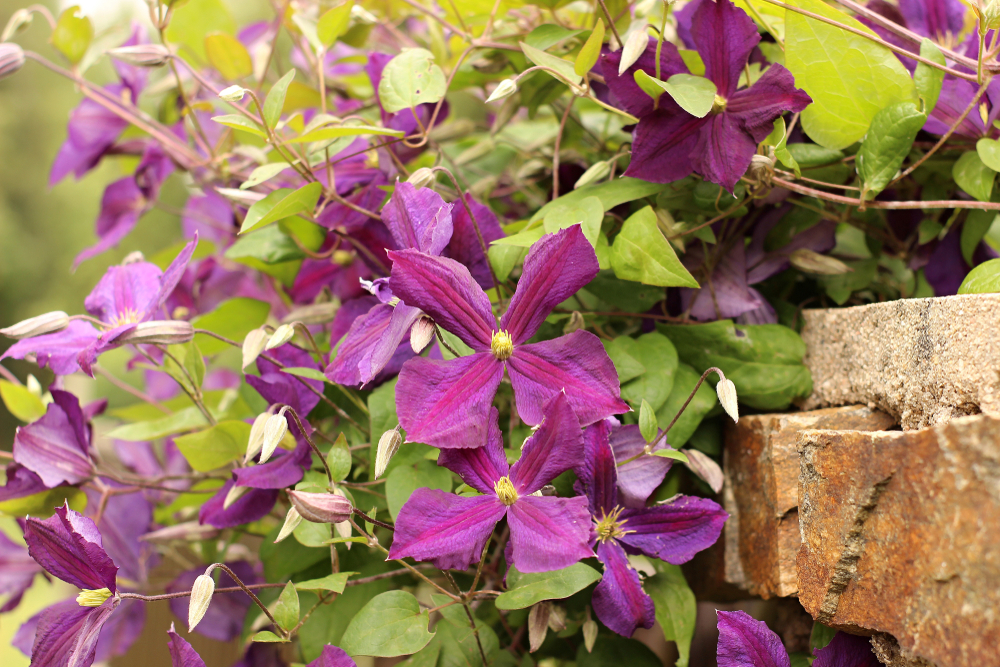
On the flip side, Clematis can sometimes look a bit sparse. Ivy steps in as the perfect backdrop, filling in every little gap to create a lush, dense privacy hedge. Plus, since ivy is evergreen, it keeps your garden looking full all winter long while the Clematis goes dormant and leaves behind just a few bare vines.
Finding the Perfect Spot
The good news? Both ivy and Clematis love partial shade. To get them off to a great start, just find a spot with loose soil that drains well—nobody likes soggy roots! One pro tip: since ivy is such a fast grower, I recommend giving your Clematis a two-year head start. This prevents the ivy from “smothering” its partner before it can get established. It’s also a good idea to plant the Clematis slightly in front so its blooms can really take center stage.
Quick Tip:
If you have a sunnier spot, old-growth ivy can handle it! In that case, you might consider a combo of ivy and roses. It’s a classic, romantic look that’s been a staple in gardens for centuries.
Choosing the Right Support
Both of these climbers need a little help getting vertical. While ivy uses aerial roots to cling to walls and brickwork, Clematis really needs a trellis to wrap its tendrils around. As long as your trellis isn’t made of super slick material, the ivy will be happy to climb it, too. Here are a few things to keep in mind:
- Set up your support before or right after planting.
- Make sure it’s sturdy (these plants get heavy!).
- Ensure it’s tall enough for both varieties.
- Secure it firmly to the ground or a wall.
Maintenance and Care
When it comes to fertilizing, less is more. If you overfeed ivy, it can get a bit wild and take over the yard. You’ll definitely want to prune the ivy at least once a year starting around year three. For the Clematis, just follow the specific pruning rules for its variety group.
Both plants need regular watering during hot spells. As the ivy matures, its deep roots will eventually help it look after itself, but your Clematis will always appreciate a refreshing drink from the hose during the summer.
Quick Tip:
Keep in mind that both plants are toxic. Always wear gardening gloves when pruning to avoid skin irritation. For ivy, I even recommend a mask and eye protection, as the dust from the vines can be a bit irritating.
Happy gardening!