
Looking for a way to brighten up those dim corners of your yard? These beautiful shrubs thrive in the shade and are perfect for adding some life and color to the darker spots of your garden.
[[plants]]
++Warty Barberry (Berberis verruculosa)
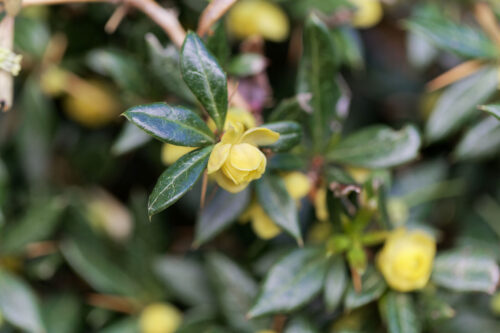
The Barberry is a versatile choice that feels right at home in both partial and full shade. This evergreen shrub puts on a lovely show in the spring with charming yellow blossoms and works great as a natural privacy screen. Once summer fades, the plant produces berries that local birds absolutely love. While there are many varieties out there, the Warty Barberry is the champion when it comes to handling the least amount of sunlight.
++Oregon Grape (Mahonia)
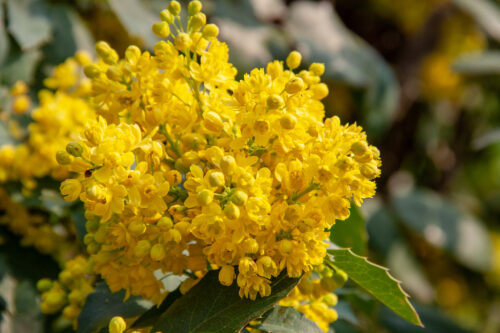
A close relative of the barberry, the Mahonia (often called Oregon Grape) is a shade-loving staple frequently used to beautify darker areas in public parks. It’s one of the first to wake up in early spring, showing off bright yellow flowers. This plant is incredibly low-maintenance and tough enough to compete with thirsty tree roots. If you’re looking for something to plant under a large tree canopy, this is a fantastic pick. It also takes pruning like a champ—just give it a quick trim once a year to keep it looking tidy.
++Sweet Mock Orange (Philadelphus coronarius)
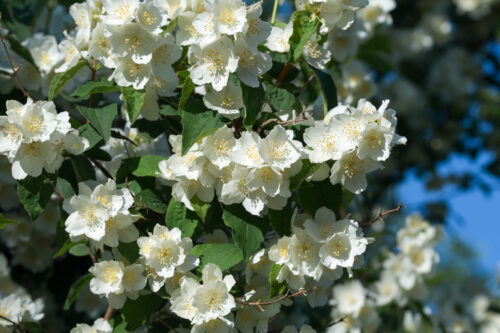
When the Sweet Mock Orange blooms, it’s covered in stunning white flowers that look (and smell!) a lot like jasmine. This easy-going shrub does well in partial shade or dappled light. Just a heads-up: these can grow up to about 13 feet tall, so they might be a bit big for underplanting beneath smaller trees. However, they make an excellent, fragrant privacy hedge.
++Cherry Laurel (Prunus laurocerasus)
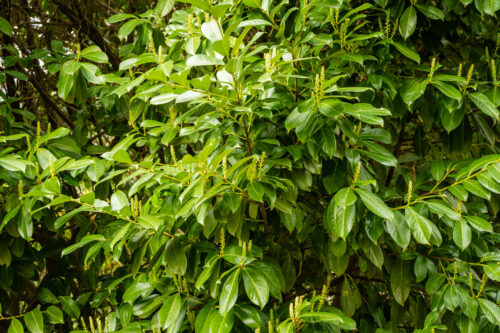
The Cherry Laurel isn’t picky at all. It doesn’t need much sun and actually appreciates a shady spot. Its thick, glossy green leaves grow very densely, making it a top-tier choice for a “living wall” or privacy fence. You can prune it into almost any shape you like, but here’s a pro tip: try to cut the branches rather than shearing through the leaves. If you leave half-cut leaves on the plant, the edges can turn an unsightly brown.
++Rhododendron (Rhododendron)
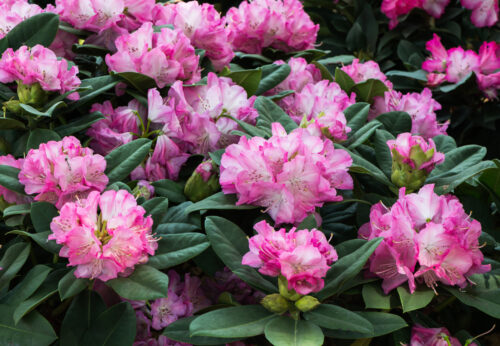
Rhododendrons are classic shade-dwellers—in the wild, you’ll often find them tucked away in the shadows of forest floors. They love soil that is rich in organic matter (humus) and stays consistently moist. The real draw here is the spectacular bloom; with so many varieties available in almost every color imaginable, you can easily find one that perfectly matches your garden’s vibe.
++Holly (Ilex)
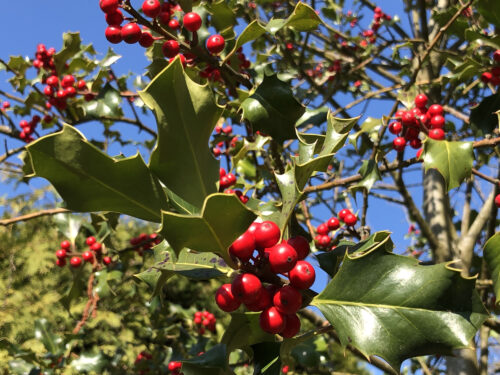
Most of us associate Holly with holiday decorations, and for good reason! Its iconic prickly leaves stay a vibrant green even in the dead of winter. Plus, the bright red berries provide a beautiful pop of color when everything else is gray. Beyond looking festive, those berries are a vital food source for birds during the winter months. Best of all? It’s a very “set it and forget it” kind of plant.
++Hydrangea (Hydrangea)
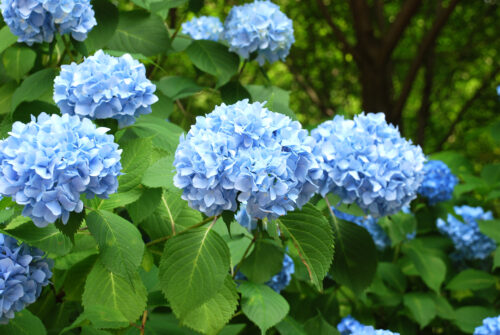
Whether you’re dreaming of a romantic cottage garden or just want some curb appeal, hydrangeas are a go-to. They absolutely love partial to full shade. During the hydrangea blooming season, their massive flower heads create a fairytale atmosphere. Fun fact: with certain types, you can actually change the color of the flowers by adjusting the pH level of your soil!
++Witch Hazel (Hamamelis)
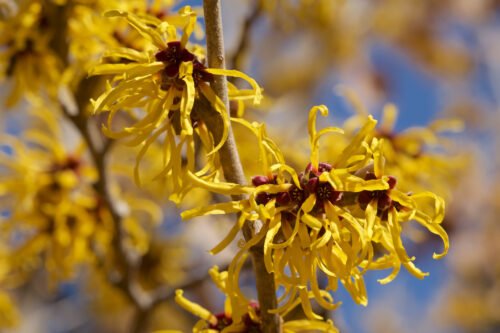
Looking for something that defies the seasons? Witch Hazel is your best friend. While most plants are winding down, this shrub is just getting started, blooming in late fall or even the middle of winter. Depending on the variety, you’ll get unique, spindly flowers that add a touch of magic to a sleepy winter landscape.