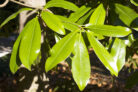
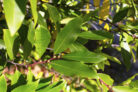
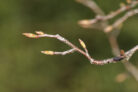
There’s something so elegant about white-flowering shrubs. They have this amazing way of brightening up shady corners and making a naturalistic garden feel cohesive and polished. If you’re looking to add some “moonlight garden” vibes to your yard, you’re in the right place. I’ve rounded up seven of the most popular white-flowering shrubs, plus a little secret tip at the end!
[[pflanzen]]
++Bridal Wreath Spirea (Spiraea arguta)
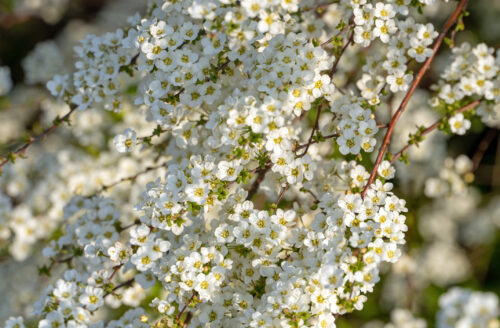
In the spring, the Bridal Wreath Spirea puts on a serious show. The new green leaves almost completely disappear under a blanket of snowy white, fragrant flowers. It has these gorgeous, arching branches that give the whole bush a romantic, whimsical look. It’s super low-maintenance and isn’t picky about soil, feeling right at home in full sun or partial shade. Just a heads-up: it’s not a big fan of drought, so make sure to give it some extra water during those scorching summer weeks.
++Colchis Bladdernut (Staphylea colchica)
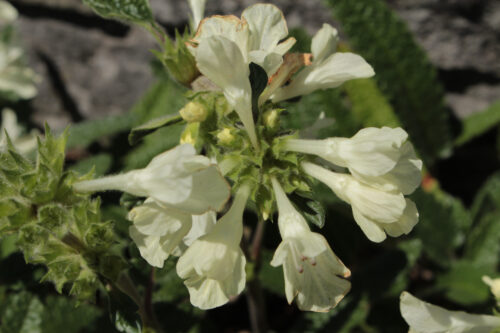
This one has a fun backstory! In German, it’s called “Pimpernuss,” which comes from an old word meaning “to rattle.” That’s because the seeds inside the dried fruit capsules make a distinct clicking sound when you shake them. This slow-grower can reach about 13 feet tall. In May, it produces pure white, bell-shaped clusters that smell heavenly. After the blooms fade, you get these cool, bladder-like green seed pods. Fun fact: people used to dry the pea-sized seeds to make rosaries!
++Hardy Orange (Poncirus trifoliata)
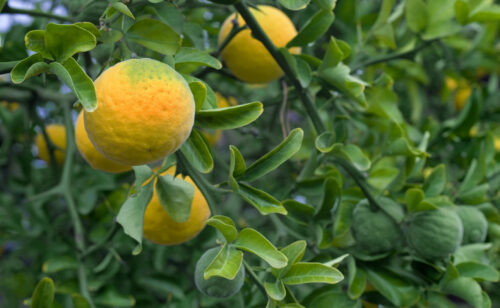
If you love the look of citrus but live in a cooler climate, the Hardy Orange is your best friend. It can handle temperatures down to -4°F without breaking a sweat. From April to May, the shrub is covered in countless white blossoms with a rich, citrusy scent. While the yellow fruits look pretty, don’t try to make orange juice with them—they are incredibly bitter and sour. They’re strictly for decoration!
++Fragrant Viburnum (Viburnum farreri)
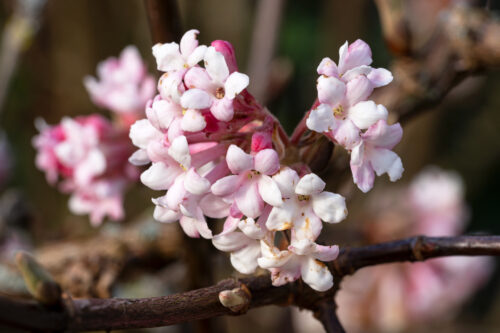
The Fragrant Viburnum is a real overachiever. In the fall, the leaves turn a stunning red-purple, which makes the early flower buds really pop. In milder areas, you might even see a few blooms during the winter, but the real show starts in March and April. The scent is so powerful you can smell it from several yards away! Once the flowers are done, the glossy, dense foliage fills in, making it a great privacy screen or backdrop.
++Mock Orange (Philadelphus coronarius)
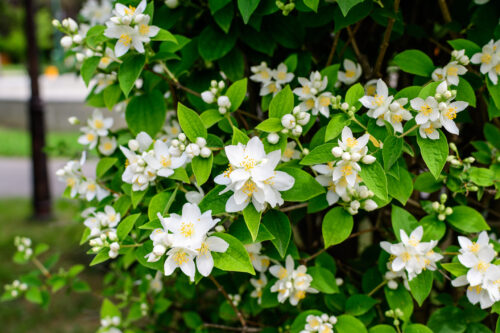
Tough, winter-hardy, and very forgiving when it comes to pruning, the Mock Orange is a staple for a reason. In early summer, it’s loaded with creamy white flowers that smell just like jasmine. Your local bees and butterflies will absolutely love it! The serrated leaves turn a lovely yellow in the fall before dropping. It has a graceful, fountain-like growth habit that looks great in any garden bed.
++Shrubby Cinquefoil (Potentilla fruticosa ‘Abbotswood’)
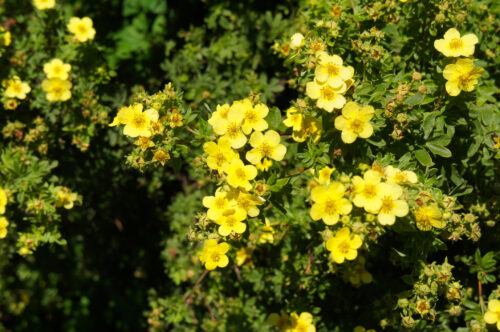
This white variety of the popular Potentilla is a real workhorse. It’s very easy to care for and handles pruning so well that it’s perfect for low hedges or even as a groundcover. It blooms from May all the way into October—talk about staying power! It’s also very “city-tough,” meaning it handles air pollution, extreme weather, and dry spells like a champ. The name “Cinquefoil” comes from the five-lobed leaves that look like tiny hands.
++Star Magnolia (Magnolia stellata)
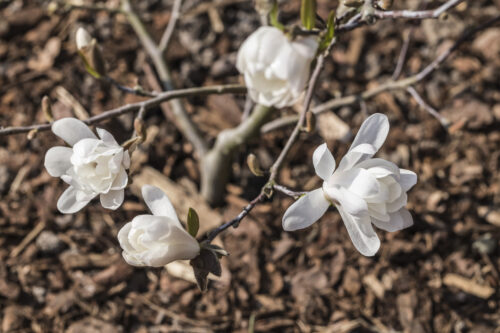
When the Star Magnolia opens its striking white blossoms in March, you know winter is officially over. These beautiful star-shaped flowers can grow up to four inches across and usually have about 12 to 15 petals. Even as it ages, this shrub stays pretty compact (around 10 feet), so it’s a perfect fit for smaller suburban yards. Just make sure to plant it in a sunny spot that’s protected from harsh winds.
%%Our Secret Tip: White French Lilac (Syringa)
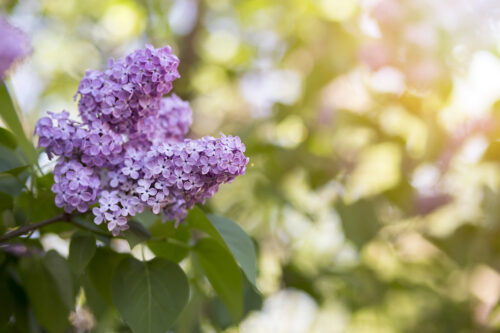
When the heavy, double-bloomed clusters of a White Lilac open up in the spring, it’s a total showstopper. The contrast between the bright white flowers and the dark green leaves is just stunning. While it definitely needs a sunny spot to bloom its best, it’s surprisingly hardy once established. It handles summer dry spells and windy spots quite well. Plus, don’t be afraid to grab the shears—lilacs respond really well to pruning and will bounce back with plenty of new growth.