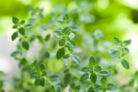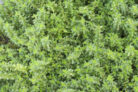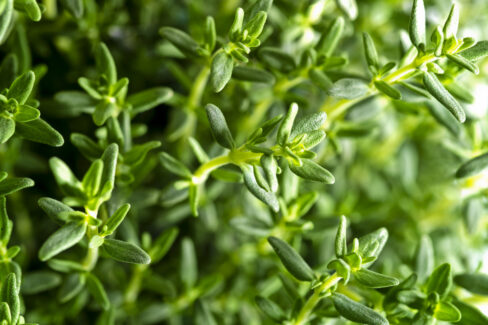
If you’ve got thyme in your garden, you might notice it likes to do its own thing and reseed itself. But if you want to be a bit more intentional about where it grows, you can easily collect those seeds in the fall and plant them exactly where you want them come spring. To get a great harvest, though, you’ve got to make sure the location and soil are just right.
When and how should you harvest thyme seeds?
Most thyme varieties are heirloom (open-pollinated), which means they’re perfect for propagating from your own saved seeds. Just a heads-up: this doesn’t usually work with hybrid varieties. Those little herb pots you grab at the grocery store are often hybrids, so for the best results, I recommend getting your starter plants from a local nursery or garden center.
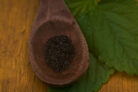
To collect seeds, you’ll need to resist the urge to prune back those flowers too early. Leave them on the stem until the seeds have fully matured. You’ll know they’re ready when they turn dark and feel hard to the touch. If you pick them while they’re still green, they won’t germinate. Keep a close eye on your plants in the fall so you can catch them at the perfect moment!
What makes thyme seeds unique?
Here’s the lowdown on what to expect from thyme seeds:
- They need direct sunlight to sprout.
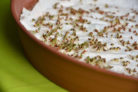
- The seeds are incredibly tiny and lightweight.
- They need a temperature of at least 60°F (15°C) to germinate.
- They’re fast growers, usually popping up within two weeks.
Thyme seeds are what we call “light germinators.” This means when you’re sowing them, you just scatter them on top of the soil rather than burying them.
Why should you start thyme seeds indoors?
To give you an idea of how small these seeds are, there are about 4,000 seeds in just one gram! Because they’re so light, a heavy rain can wash them away, or a gust of wind can carry them off to parts of your garden where you didn’t intend for them to grow. Plus, chilly spring nights can be a bit much for these little guys.
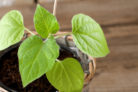
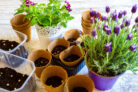
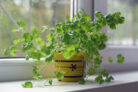
That’s why I always recommend starting your thyme on a sunny windowsill or in a greenhouse. Once the weather stabilizes and the seedlings are strong enough, you can transplant your young herbs out into the garden soil.