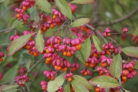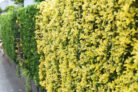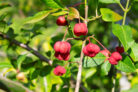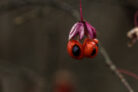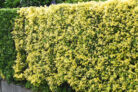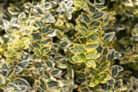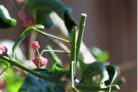
Spindle trees (also known as Euonymus) are total showstoppers in the landscape, thanks to those funky-looking fruits and that jaw-dropping red foliage in the fall. Lots of folks love planting spindle hedges because they stay a bit more manageable in size. But come springtime, many gardeners get a bit of a nasty surprise.
Caterpillar Infestations on Your Spindle Tree
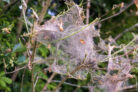
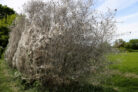
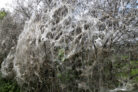
During the spring, it’s pretty common to see various shrubs getting wrapped up by a specific pest. If your spindle tree is suddenly covered in white, ghostly webbing and has lost every single one of its fresh leaves, you’ve got company. The good news? After a few weeks, the tree usually puts out a second flush of leaves that grows back just fine.
A Very Strange Web
There’s a tiny, unassuming moth behind all this, and we’re seeing more and more of them lately. A few reasons for the population boom include:
- Mild winters
- Dry, warm springs
- Climate change
- A lack of deep-freeze periods in the winter
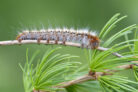
This hardy little guy is the Spindle Ermine Moth. You’ll find different types of ermine moths on other trees too—like fruit trees, where they can seriously ruin a harvest. Fortunately, the spindle tree is a tough cookie; it handles the infestation quite well, even if the caterpillars eat it completely bare.
The Life Cycle of the Ermine Moth
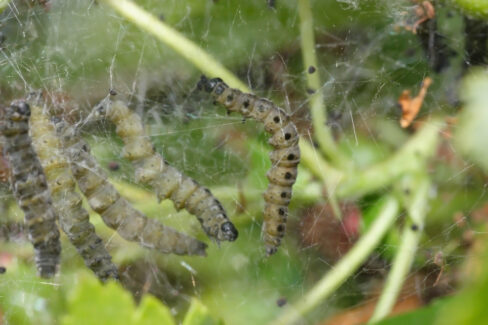
The adult moths take flight in July and August to mate and lay their eggs on the spindle twigs. The tiny larvae actually bore under the bark to spend the winter. Once spring hits, they start munching on the leaf tips and begin spinning their signature webs. These caterpillars are social butterflies (well, moths)—they live together in the web and keep expanding it until the whole tree is encased and every leaf is gone.
Around June, the caterpillars stop eating and enter the pupal stage. The new moths emerge about 20 days later, and the cycle starts all over again. Meanwhile, the spindle tree bounces back with a second growth of leaves, totally unharmed in the long run.
Prevention and Control
Once the ermine moth finds your shrub, it tends to come back year after year. Your best bet is to inspect your bushes in late fall for egg masses and scrape them off. In the spring, keep an eye out for curled leaf tips—clip those off and toss them in the trash (not the compost!) to stop the spread. If you see the first signs of webbing, prune those sections out and dispose of them the same way.
Trying to use chemicals once the webs are established is usually a waste of time, as the spray just beads off the silk without ever touching the caterpillars inside. If you feel you must use a treatment, stick to bee-friendly options and apply them *before* the webs start to form.