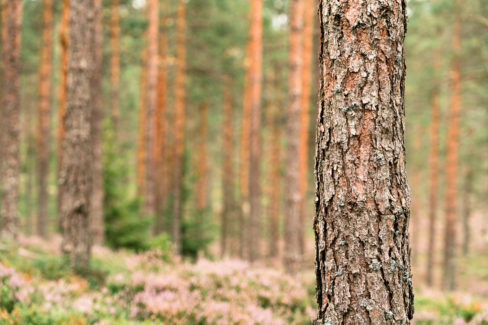
Think of a tree’s bark as its outer skin—it’s there to protect the delicate wood underneath from the elements and physical damage. But if you know what to look for, bark tells a much bigger story about the tree’s life and health.
What Spruce Bark Looks Like
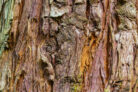
You’ll often hear the Norway Spruce referred to as the “Red Spruce,” and that nickname comes straight from its bark. Typically, it sports a reddish to reddish-brown hue with a distinctively scaly texture. However, the exact look can shift depending on:
- The specific spruce species
- How old the tree is
- Where it’s growing
Younger spruce trees usually have a lighter, warm reddish-brown tone. As they get older, that color fades into a darker brown or even a stony gray. Location matters, too! Spruce trees growing high up in the mountains tend to look grayer, while those in lower elevations keep that classic reddish tint and have finer scales.
Spruce vs. Pine: Telling Them Apart
If you’re ever trying to figure out whether you’re looking at a spruce or a pine, the bark is a dead giveaway. Spruce bark is reddish-brown and covered in thin, papery scales. Pines, on the other hand, usually have grayish-brown bark that breaks off into large, thick plates.
Practical Uses for Spruce Bark
Just like the timber itself, spruce bark is incredibly versatile. Most gardeners know it best as the main ingredient in high-quality bark mulch. But it’s also traditionally used as a tanning agent for leather and even shows up in eco-friendly cheese packaging!
Because it looks so rustic and textured, spruce bark is also a favorite for DIY crafts and home decor. Just a quick pro-tip: if you’re planning to bring some bark inside for a project, give it a good once-over for any hitchhiking pests or fungi first.
Using Spruce Bark Mulch in Your Garden
Spruce bark has a pH level that ranges from neutral to slightly acidic, making it a fantastic natural fertilizer. When you spread spruce mulch in your garden, it slowly breaks down and feeds essential nutrients back into the soil and directly to your plants’ roots. Plus, it has a beautiful dark color that looks much more polished and decorative than standard pine mulch.
What if the Bark Starts Falling Off?
Normally, spruce bark is on there pretty tight. If you notice it cracking, peeling, or falling off in chunks, that’s usually a red flag. Often, this is a sign of pests. The biggest threat is the bark beetle—keep an eye out for fine, white sawdust on the trunk, which is a tell-tale sign they’ve moved in.
Diseases and fungal infections can also cause the bark to change or deteriorate. If you see anything unusual, you’ll want to inspect your tree right away. Catching a problem early is key, because once an infestation or disease gets too far along, the only solution is often to cut the tree down to protect the rest of your landscape.