So many gardeners dream of having a willow tree of their own. If you’re thinking about adding one to your landscape but aren’t sure which variety to pick, let me introduce you to the White Willow (Salix alba). Here’s a quick guide on what makes this classic tree so special.
Size and Foliage
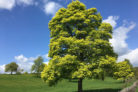
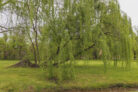
Unlike smaller ornamental varieties like the Dappled Willow, the White Willow is a true giant. If you choose this tree, you’re committing to a majestic, large-scale addition to your yard. Its branches reach high into the sky, creating a stunning canopy of foliage. The best part? It’s not particularly picky about where it grows or how much attention it gets.
Size
- Height: Reaches about 100 feet at maturity
- Width: Spreads 30 to 50 feet wide
- Growth Habit: Broad, upright, and expansive
- Soil: Very adaptable, even thrives in gravelly soil
Leaves
- Top side: A soft, matte green
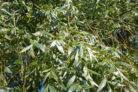
- Underside: Dark green with a signature silvery shimmer
- Shape: Elegantly long and slender
- Edges: Finely serrated
- Special features: Pleasantly aromatic
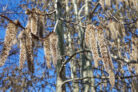
Flowers and Fruit
Landscaping and Care
The White Willow is a fast grower, meaning you won’t have to wait decades for a “real” tree. In its early years, it practically shoots upward, quickly filling out with lush greenery. As it matures, its vertical growth slows down to just a few inches a year, but those side branches will keep reaching outward. That’s where you, the gardener, come in!
To keep this tree healthy and looking its best, you’ll need to prune it regularly. Without a good trim, White Willows can become wider than is structurally safe. If the branches get too long and heavy, they act like a sail in the wind, which can lead to storm damage. In extreme cases, the weight on the outer ends can even cause the main trunk to split. A little bit of well-timed pruning goes a long way in keeping your tree safe and beautiful.
Pruning Styles
- Pollard (the classic “knotted” look)
- Natural tree form