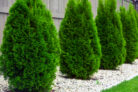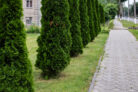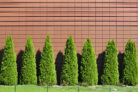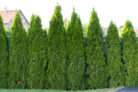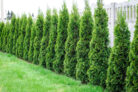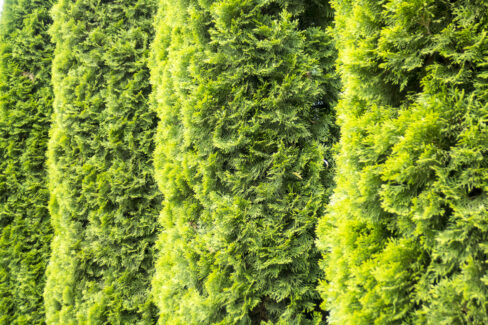
Arborvitae is famous for being a fast grower, no matter which variety you pick. The ‘Brabant’ Thuja is no exception—it hits its stride quickly, reaching an impressive height and width in no time. This makes it a go-to choice if you’re looking to create a lush, living privacy screen without waiting a decade for it to fill in.
How big does a ‘Brabant’ Arborvitae actually get?
Since this is one of the speediest varieties out there, the growth stats are pretty impressive. If you let a ‘Brabant’ do its thing without a regular trim, here’s what you can expect:
- About 8 to 16 inches of growth per year
- A total height of up to 15-20 feet
- A spread of up to 4 feet wide
This tree grows outward almost as fast as it grows upward, which is exactly why it’s such a superstar for hedging. Plus, the foliage is naturally dense, giving you that “wall of green” look for maximum privacy. Of course, to keep your hedge looking its best for years to come, it does need a little TLC.
Tips for keeping your ‘Brabant’ healthy and happy
To ensure your trees stay vibrant and strong, keep these basics in mind:
- A spot with full sun to partial shade
- An annual pruning session
- Consistent moisture (they don’t like to dry out!)
- Well-draining, loose soil
- Moderate fertilizing
Success starts the moment you plant them by choosing the right location. Arborvitae are definitely “thirsty” plants, so you’ll need to water them regularly. Just be careful not to overdo it—they hate “wet feet” (standing water). Loose soil helps the roots spread out easily, which in turn supports all that beautiful green growth above ground. Finally, a regular trim not only keeps the hedge looking tidy but also encourages the branches to grow in even thicker.
Boosting growth with fertilizer
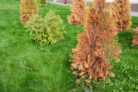
We all know that fertilizer can give plants a nice boost, but you can definitely have too much of a good thing. Arborvitae are actually quite sensitive to over-fertilizing. If you go overboard, you might see brown tips or even root burn. To play it safe, stick with organic options like well-aged compost or a nice layer of mulch.
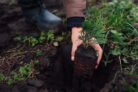
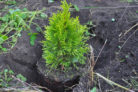
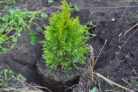
When you first put your ‘Brabant’ in the ground, you can mix a little organic fertilizer into the soil. If you’re starting with unrooted cuttings, they’ll usually appreciate a light nutrient boost about two to three weeks after they’ve been set.