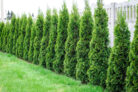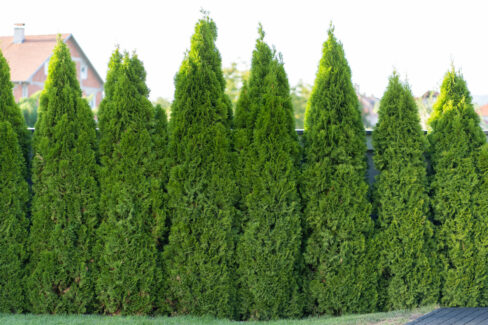
If you’re looking for a tough-as-nails, low-maintenance evergreen, the Thuja Brabant (a popular variety of American Arborvitae) is a fantastic choice for a privacy hedge. But even the hardiest plants need a good head start! To make sure your new hedge thrives, timing is everything. Here’s the scoop on the best time to get those trees in the ground.
When is the best time to plant Arborvitae?
The Thuja Brabant is famous for being a survivor—it’s rare to lose one after planting, which is exactly why so many gardeners love it for hedging. To set yourself up for success, you’ll need the right spot, well-prepared soil, and proper spacing. But don’t forget the calendar!
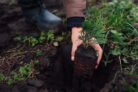
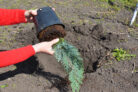
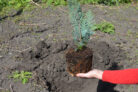
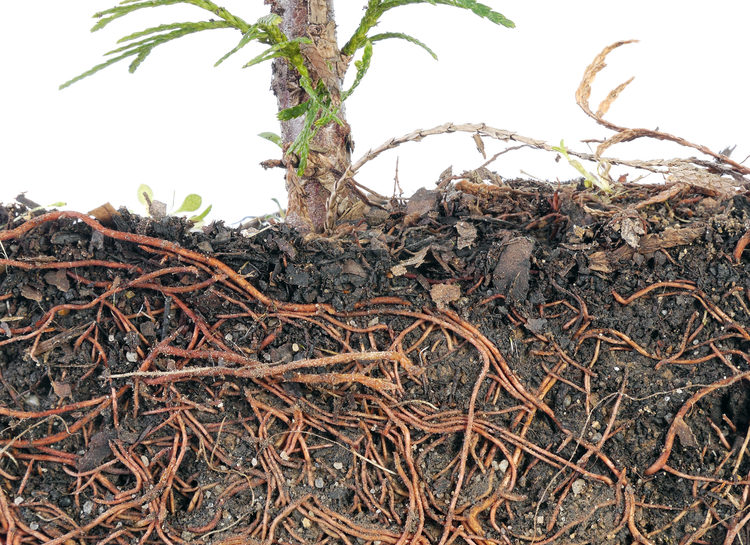
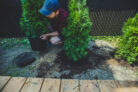
The “sweet spot” for planting is in the spring, specifically from April to May. This gives your Arborvitae the entire summer to establish a strong root system before the cold hits. Just make sure the ground is no longer frozen and has warmed up a bit. If you miss the spring window, early fall is your next best bet. To give your new hedge a little growth boost, try mixing some organic fertilizer into the soil beforehand. My favorites are:
- Mature compost
- Well-aged manure
- Horn shavings or bone meal
Do young Thuja Brabant trees need winter protection?
Generally speaking, Thuja Brabant is incredibly frost-hardy once established. However, “youngsters” are a bit more vulnerable. If you plant your trees in the fall, it’s a smart move to give them a cozy layer of mulch to protect them during their first winter. You can use:
- Bark mulch
- Fallen leaves
- Straw
- Seed-free grass clippings
If you planted in the spring, winter protection isn’t strictly necessary, but a layer of mulch is still a great idea. It acts as a natural fertilizer and helps the soil retain moisture by slowing down evaporation. This is key because evergreens can actually dry out in the winter! Just remember, even with mulch, you still need to water them sufficiently until they are fully established.