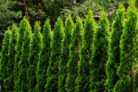
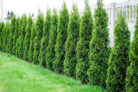
When you’re planning to add a Thuja ‘Brabant’ (also known as an American Arborvitae) to your yard, picking the right spot is about more than just sunlight—you’ve also got to think about what’s happening underground. Roots can sometimes cause headaches for nearby structures or utility lines, so it’s smart to know what you’re working with before you dig. Here’s the lowdown on how these evergreens grow.
How deep do Thuja ‘Brabant’ roots actually go?
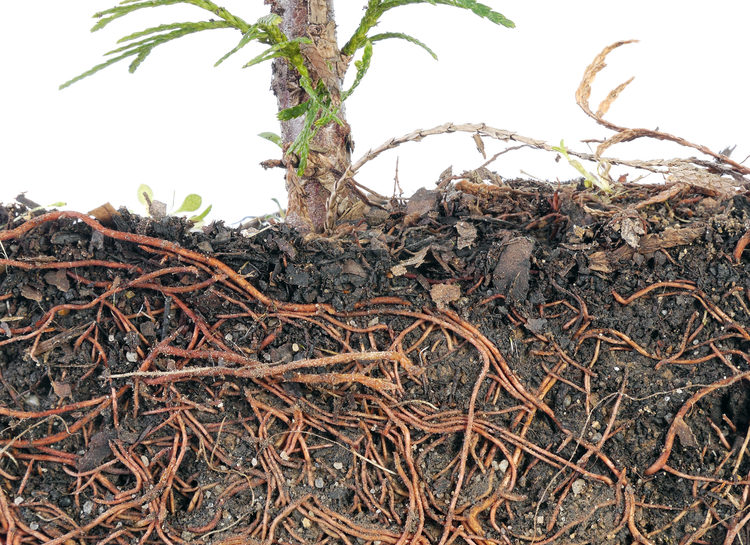
The Arborvitae is what we call a shallow-rooted plant. Instead of sending a massive taproot deep into the earth, its roots prefer to spread out wide. For a Thuja ‘Brabant’ that’s about 15 feet tall, you can expect the roots to reach down between 28 and 40 inches. If you’re planting them close together as a hedge, they might dive a little deeper just because they’re competing for space, but they’ll still stay relatively close to the surface.
What exactly are shallow-rooted plants?
You can usually spot a shallow-rooted system by these traits:
- They spread out in a plate-like shape.
- They stay mostly in the upper layers of the soil.
- They don’t have much vertical depth.
- They sit very close to the soil surface.
Why does root depth matter when planting your Thuja ‘Brabant’?
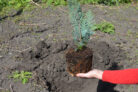
Arborvitaes develop very fine, delicate feeder roots at the edges of their system that can snap easily. Because they don’t handle root damage well, moving a fully grown tree is a huge challenge. That’s why it’s so important to get the location and spacing right the first time you plant them.
You also want to keep local regulations in mind. To prevent damage to public infrastructure, many towns have rules about how close you can plant to sidewalks or property lines. In some areas, the rule of thumb is that the distance from the line should match the height of the tree. It’s always a good idea to check with your local HOA or city hall to see what the specific rules are in your neck of the woods.
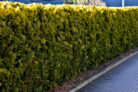
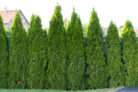
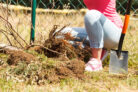
If you’re planting a ‘Brabant’ hedge, those roots are going to become a tangled, solid mat over time. Removing an old hedge is a serious workout—if it’s too much to handle, you might want to hire a pro to grind the stumps. While a cut-down Thuja won’t grow back, those roots take a long time to rot away on their own.
Can these roots damage my house or driveway?
The good news is that it’s pretty unlikely for an Arborvitae to crack a foundation or a sturdy house wall. However, because they stay so close to the surface, they can definitely lift up patio pavers or crack a sidewalk if they’re planted too close. They’re also notorious for “invading” nearby flower beds, so keep that in mind when planning your garden layout!