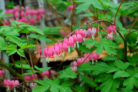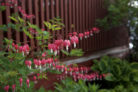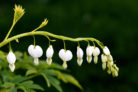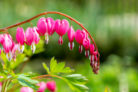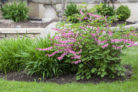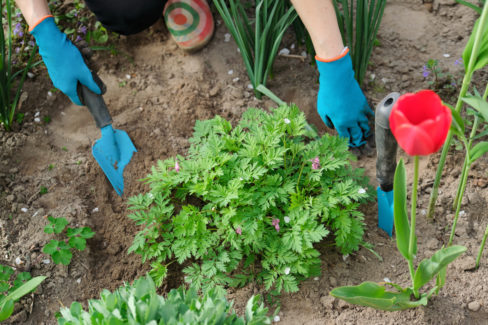
Bleeding Hearts are a total staple in any cottage garden, aren’t they? But here’s the thing: once these beauties get settled in, they really prefer to stay put. They aren’t exactly fans of moving day and can get a bit dramatic if their roots are disturbed. That said, sometimes a move is unavoidable. If you absolutely have to relocate yours, you’ll want to handle it with a little extra TLC.
The “Homebody” Nature of Bleeding Hearts
Ideally, you should leave your Bleeding Heart exactly where it is. These plants develop deep, extensive root systems, and digging them up almost always results in some root damage. If you move them, don’t be surprised if they “pout” for a season, looking a bit sad or producing fewer flowers. However, if your plant is bursting out of its container or getting completely crowded out in the garden bed, it’s time to act. In those cases, it’s actually a great opportunity to divide the plant while you’re at it.
How to Transplant Your Bleeding Heart the Right Way
Timing is everything. The best window for moving them is early spring, just before the new shoots start peeking through the soil. Since the plant will be a little stressed from the move, keep an eye on the weather and protect it from any late-night frosts. Alternatively, you can move them in late summer or fall once the foliage starts to die back after blooming. Once you’ve picked out the perfect new spot, here’s your game plan:
- Dig a nice, wide hole at the new site.
- If you’re moving it to a pot, make sure to add some broken pottery shards or gravel at the bottom for drainage.
- Mix your garden soil with some fresh compost, or use a high-quality potting mix for containers.
- Use a garden fork to gently loosen the soil all the way around the plant.
- Carefully lift the root ball out of the ground.
- Gently shake off the excess dirt so you can see what you’re working with.
- Inspect the roots and trim away any damaged or rotten sections.
- If you want to propagate, now’s the time! Use a sharp spade to divide the rootstock into sections.
- Make sure every division has a healthy chunk of root and at least one bud or shoot.
- Get your plants into their new homes right away.
- Fill in with soil and press down firmly to remove air pockets.
- Give them a deep soak to help those roots get established.
Aftercare Tips
If you moved your Bleeding Heart in the spring, keep the soil consistently moist until you see new growth—that’s your sign that the move was a success! Just be careful not to overwater; they hate “wet feet” (standing water). If you did your transplanting in the fall, give the roots a little extra protection for the winter. A cozy layer of mulch, dried leaves, or evergreen branches will do the trick to keep them tucked in until spring.