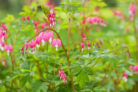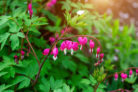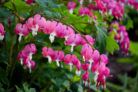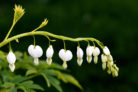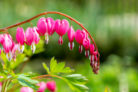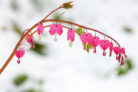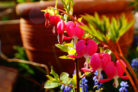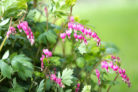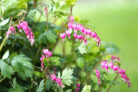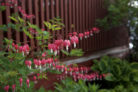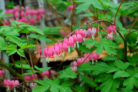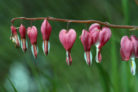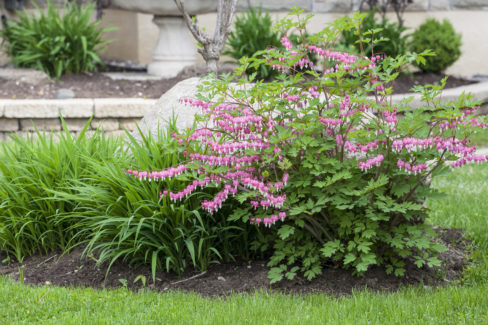
Bleeding Hearts are a classic member of the poppy family and a total staple in American cottage gardens. They’re usually one of the first plants to wake up and show off their blooms in the spring. If you want those iconic heart-shaped flowers to really pop, you’ve got to make sure they’re happy in their environment.
Location and Soil
Originally hailing from the airy deciduous forests of China and Korea, Bleeding Hearts feel right at home in humus-rich woodland soil. To mimic that in your own yard, aim for a spot in a shade garden rather than out in the baking sun. They love dappled shade—think tucked between medium-sized perennials or under smaller trees where they get filtered light and a bit of protection from the wind. Direct sun is a no-go, especially for young plants; it’ll stress them out and leave you with very few flowers.
The soil should be rich in organic matter and well-draining. While Bleeding Hearts love “cool feet” (consistently moist soil), they hate “wet feet.” You want to avoid soggy, standing water just as much as bone-dry dirt. Both extremes are bad news. If it’s too dry during blooming season, the flower stalks will look pretty sad. On the flip side, overwatering leads to root rot, which is a death sentence for the plant.
Planting and Care
The best time to get new Bleeding Hearts in the ground is springtime. This gives that thick, tuberous root system plenty of time to get established before winter hits. If you’re planting a few of them, make sure to give them some elbow room to spread out. Before planting, mix some compost into the soil to loosen it up. A little sprinkle of lime can also go a long way in boosting those blooms! Once they’re in, give them a good soak. Adding a layer of wood mulch around the base is a pro-tip—it keeps the moisture in the ground so you don’t have to haul the watering can out as often.
One quirky thing about Bleeding Hearts is that they go completely dormant and disappear after they’re done blooming. Because of this, there’s no real pruning to do. To hide the yellowing foliage and the eventual “hole” in your garden bed, try planting them near other shade-lovers like:
- Astilbe
- Bugbane (Cimicifuga)
- Columbine
- Hostas (these look especially stunning next to white Bleeding Hearts)
Winter Care
Bleeding Hearts are quite hardy. The top growth dies back in the summer, leaving just the rootstock underground. For young plants, it’s a good idea to toss a little brush or evergreen boughs over them for their first winter. If you’re growing yours in pots, make sure to move them onto an insulated surface and wrap the container in burlap to keep those roots cozy.