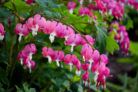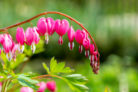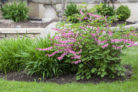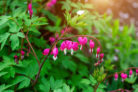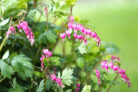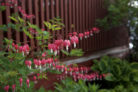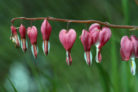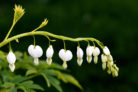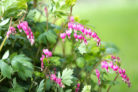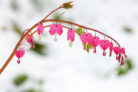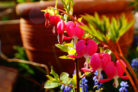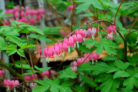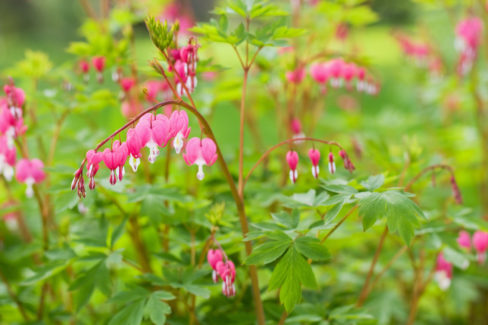
Bleeding Hearts are some of the most easy-going yet stunning additions you can make to your perennial garden. While these beauties are totally winter-hardy once established, those tender new shoots in the spring and any freshly planted babies definitely need a little extra TLC to stay safe from the cold.
Protecting Your Bleeding Hearts from Frost
If you’re planning on adding a new Bleeding Heart to your yard, timing is everything. Those delicate spring sprouts are super sensitive to a sudden chill. Ideally, you’d wait until the threat of night frost has passed, but since they start blooming as early as May, you really want to get them in the ground by April. To play it safe, give the rootstock a cozy layer of mulch and tuck some dried leaves around the new shoots.
For those of you who already have Bleeding Hearts established in your beds, keep a close eye out for those first reddish shoots poking through the soil. Even though the roots are tough enough to survive a harsh winter, the early growth is fragile—one bad night of frost can zap them instantly. A quick covering of brushwood or leaves will do the trick.
If you’d rather plant during the warmer months, you can also put them in the ground after they’ve finished blooming. At that point, the plant retreats back into its rhizome to rest for the winter, and you’ll see those first fresh shoots pop up the following spring.
Transplanting and Dividing
Bleeding Hearts are homebodies—they really don’t like being moved once they’ve settled in. However, if you absolutely have to move one because it’s outgrown its space, that’s the perfect time to divide it. The best time for transplanting or dividing is early spring before the first shoots appear, though you can also get away with it in the summer right after the flowering season ends.
Getting Them in the Ground
Before you get your Bleeding Heart into the soil, take a second to pick the perfect “forever home” so it can grow undisturbed for years to come. Spring planting is usually your best bet because it gives the plant plenty of time to establish a strong root system. Here’s what your Bleeding Heart is looking for in a spot:
- A bright spot with partial shade
- No harsh, direct afternoon sun
- Well-draining soil
- Nutrient-rich but low-lime soil
- Plenty of organic matter (humus)
- Consistently moist soil (but definitely not soggy!)
Give your plants a bit of breathing room so they have space to spread out, and mix in some fresh compost when you plant. One quick safety tip: Bleeding Hearts are actually toxic in all their parts, so make sure to pop on your gardening gloves before you start digging!