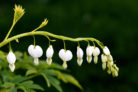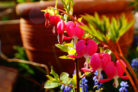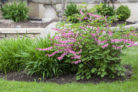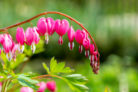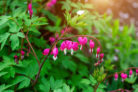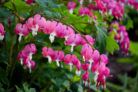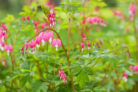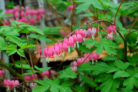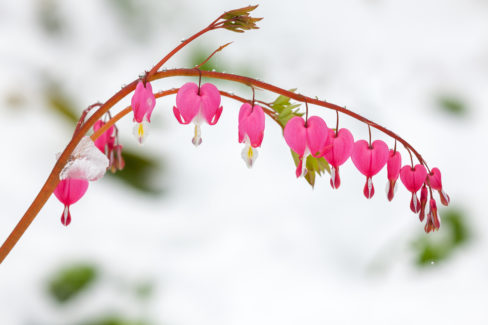
With romantic names like “Bleeding Heart” or “Lady in a Bath,” this poppy relative is a stunning perennial that handles our winters like a champ. If yours is planted in the ground, it’s pretty low-maintenance, though container-grown plants do need a little extra TLC to get through the cold.
Bleeding Hearts in the Winter
Once the blooming season wraps up—usually around mid-summer—you’ll notice the flower stalks fading and those delicate, fern-like leaves starting to turn yellow. Don’t panic! The plant is just getting ready for its winter nap. It’s important not to cut back any wilting parts yet, as the plant is busy pulling nutrients back down into its roots. Eventually, everything above ground will disappear, leaving only the underground rhizome behind. This storage organ is tough and doesn’t strictly need winter protection, but I like to toss a little compost or mulch over the area. It keeps the roots cozy and provides a nice nutrient boost for the spring.
Spring Growth
In early spring, you’ll see the first reddish shoots poking through the soil. This is when you need to stay on your toes! That tender new growth is super sensitive to late frosts. Since a surprise freeze can hit anytime until mid-May, it’s a smart move to keep some leaves or brush handy to cover the sprouts if the forecast looks chilly.
Growing Bleeding Hearts in Containers
Bleeding Hearts do great in pots on a patio or balcony as long as they have the right spot. However, overwintering them takes a bit more effort because you have to prevent the root ball from freezing solid. Here’s my go-to checklist for outdoor pots:
- Move the pot to a sheltered spot away from harsh winds.
- Wrap the container in burlap, bubble wrap, or a frost fleece and secure it tightly.
- Place the pot on a piece of Styrofoam or a wooden board to insulate it from the cold ground.
- Cover the top of the soil with a thick layer of leaves or evergreen branches.
If you prefer, you can also overwinter your potted Bleeding Heart indoors in a “cold house” setup. Here’s how:
- Move the pot into a frost-free greenhouse, a bright garage, or an unheated stairwell.
- The ideal spot should be bright and cool (around 50°F), but definitely above freezing.
- Don’t let the soil dry out completely; give it a little water every now and then.
- Skip the fertilizer—the plant is resting!
- Once the threat of night frost has passed in May, you can move your plant back to its favorite outdoor summer home.