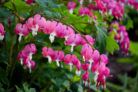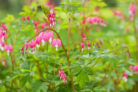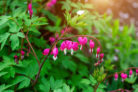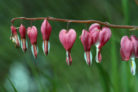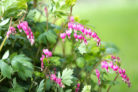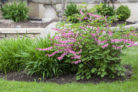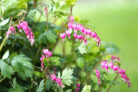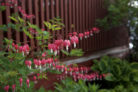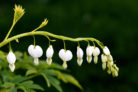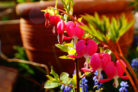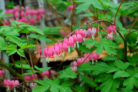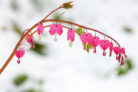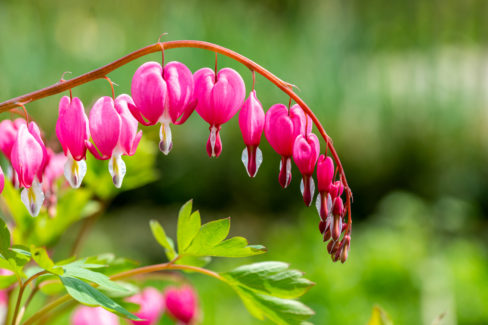
Extravagant and romantic—that’s exactly how the Bleeding Heart shows off in many perennial gardens every spring. Hanging from gently arching stems like a delicate pearl necklace, you’ll find soft pink hearts with a tiny white “drop” peeking out from the bottom. This low-maintenance beauty is perfect for tucking between other perennials, lining the edges of wooded areas, or even growing in containers on your patio or balcony. If the growing conditions are just right, it’ll treat you to weeks of blooms before it slowly retreats and disappears as summer heat kicks in.
Origins of the Bleeding Heart
The Bleeding Heart, known botanically as *Lamprocapnos spectabilis*, originally hails from the Far East—specifically China and Korea. The famous botanist Carl Linnaeus first cultivated these heart-shaped flowers back in 1765. However, it wasn’t until plant specialist Robert Fortune gave it a second go in England in 1846 that the Bleeding Heart really grabbed the spotlight, sparking a popularity among home gardeners that continues to this day. A few years later, a new cultivar named “Alba” hit the scene. With its pure white blooms, it became the absolute star of sophisticated gardens. In France, this symbol of innocence was even called “Coeur de Maria” or “Mary’s Heart.” To this day, the white variety remains a market favorite and something truly special.
The Bleeding Heart (both white and red) belongs to the poppy family (*Papaveraceae*), but it’s the sole representative of the genus *Lamprocapnos*. In its native habitat, this delicate flower mostly grows in bright, open deciduous forests, but in our neck of the woods, you’ll most often find it in perennial beds.
A Quick Heads-Up
Like many members of the poppy family, the Bleeding Heart is toxic. All parts of the plant contain alkaloids that can cause poisoning, primarily in curious pets or toddlers who might want to take a nibble. Potential symptoms of poisoning include:
- A burning sensation in the mouth
- Stomach discomfort
- Diarrhea
- Vomiting
- In severe (though rare) cases, heart failure
If any part of a Bleeding Heart is swallowed, clear any remaining bits from the mouth immediately, drink plenty of water, and definitely call a doctor (or a vet for your furry friends).
What Does a Bleeding Heart Look Like?
As a member of the poppy family, it goes by several charming nicknames, including:
- Mary’s Heart
- Heart Flower
- Lady in a Bath
All these names point back to those iconic heart-shaped pink or white blooms. During its flowering window from May to June, rows of little hearts dangle along curved stems. Fun fact: if you gently pull the petals apart and flip them over so the white part points up, it actually looks like a tiny “Lady in a Bath!”
Growth Habit
This herbaceous, bushy perennial usually reaches a height of 24 to 32 inches and can spread up to 24 inches wide. It grows from a thickened main root (a “pleiocorm” turnip-like root) from which the stems and new shoots emerge.
Blooms and Foliage
The plant’s light green leaves are somewhat understated—they are doubly or triply pinnate, lobed at the ends, and can grow up to 8 inches long. The heart-shaped flowers, with their swept-back tips, measure about an inch across. You’ll usually see 11 to 15 flowers per stem. While blooming typically starts in May, you might see the first hearts as early as April. By June, the show is over. At this point, the plant stops sending out nutrients and begins to go dormant, meaning the foliage and flowers will wither away.
Location and Soil
Since Bleeding Hearts naturally love bright, open woodlands, you should give them a sheltered, partially shaded spot in your garden where they aren’t baked by the harsh afternoon sun. The soil should mimic a forest floor: rich in humus, low in lime, consistently moist, and well-draining.
Planting and Care
The best time to get a Bleeding Heart into the ground is in the spring. This gives the hardy perennial plenty of time to establish a strong taproot before the winter chill sets in. If you’re planting a group, space them about 20 inches apart. Because of their toxicity, it’s a good idea to plant them toward the middle of a flower bed where kids can’t easily reach them. Also, play it safe and wear gardening gloves when handling them—the sap can irritate your skin and eyes.
When planting, mix some fresh compost into the soil and give it a good soak. These plants are pretty low-maintenance; a fresh dose of compost every two years is usually plenty. If you don’t have compost, other organic fertilizers like bone meal or blood meal work great. For a real bloom boost, an inorganic fertilizer high in phosphorus does the trick. During those warm spring days, your Bleeding Heart will definitely appreciate an extra drink of water.
As long as the plant is blooming, try to deadhead the spent stems. This prevents the plant from putting all its energy into making seeds and encourages it to focus on more flowers instead. Once the blooming season ends, the plant “goes to sleep.” You don’t actually need to cut back the yellowing leaves or old stems; the plant will naturally die back to the ground, leaving just the rootstock behind.
Growing in Pots
While the Bleeding Heart is a hardy perennial that doesn’t need much protection in the ground, you have to be a bit more careful with container plants. To keep the roots from freezing solid in a pot, it’s best to move them into a frost-free greenhouse, a garage, or a breezy cellar for the winter. Depending on how cold it gets, you can also wrap the pot in burlap and set it on an insulated base.
Propagation and Use
Bleeding Hearts love to stay put in one spot for years. However, if things get too crowded, you might need to divide them. The best time for this is early spring or right after they finish blooming on a cloudy day (too much sun just adds extra stress). Here’s how to do it:
1. Carefully dig up the perennial with a garden fork, trying to keep the roots intact.
2. Shake off the loose soil.
3. Split the rootstock with a spade or knife—ideally, each piece should have at least one shoot and plenty of roots.
4. Replant immediately and protect them from any late spring frosts.
You can also propagate Bleeding Hearts via root or stem cuttings. For stem cuttings, snip a 6-inch shoot from a healthy mother plant and pop it in water until roots form. For root cuttings, carefully expose the rootstock in late fall, cut 2-inch sections of a thick root, clean them, and plant them horizontally in a tray with a moist sand-peat mix. Keep them moist and frost-free over winter, then move them to the garden in spring.
If you’re patient, you can even grow them from seed. If you’ve collected seeds, sow them directly into the bed in the fall. They are “cold germinators,” meaning they need the winter chill to wake up and sprout in the spring.
Best Uses
Bleeding Hearts are perfect for woodland edges, darker garden corners, and semi-shaded spots in perennial beds. They provide some of the first pops of color in the spring landscape. In pots, they’re a gorgeous addition to a spring patio or a cozy balcony nook. And if your plant is having a particularly lush year, a few cut stems make a stunning addition to a spring bouquet!
Garden Companions
When planning your garden, remember that by early summer, there won’t be much left of your Bleeding Heart as it goes dormant. To keep your flower bed looking full, plant it alongside “filler” plants that can hide the fading foliage. Great neighbors include Siberian Bugloss (Forget-me-not), colorful Dead Nettles, Columbine, and Lilies. The white variety looks especially sharp next to Hostas.
Varieties
While the classic pink is the most common, there are other cool versions out there. The “Alba” variety is famous for its pure white hearts. “Valentine” features a striking dark red and white combo, and its leaves tend to stick around a bit longer after blooming. If you want something really unique, “Goldheart” pairs deep pink flowers with stunning chartreuse (yellow-green) foliage.
Pests and Diseases
Even though Bleeding Hearts are pretty tough, they aren’t invincible. As soon as those tender leaves sprout in the spring, slugs and snails are usually ready to pounce. Without a little protection (like slug pellets), your plant could be eaten to the ground overnight. If you want to skip the chemicals, try spreading wood mulch around the base—slugs hate crawling over dry wood.
Watch out for soggy soil, too. Too much moisture plus heat can lead to powdery mildew or stem rot. If you notice little holes in the tips of the flowers, you’ve likely got bumblebees visiting—they sometimes bite into the bloom to get to the nectar. Finally, if you plant them in too much sun, you might see aphids. A bit of nettle tea spray or releasing some ladybug larvae usually clears that right up!