Native plants are the unsung heroes of a healthy backyard. Because they provide essential food and shelter for local wildlife, choosing indigenous shrubs is one of the best things you can do for your garden’s ecosystem. We’ve rounded up seven of the most popular native shrubs to help you go green, plus a special “insider tip” at the end!
[[pflanzen]]
++English Holly (Ilex aquifolium)
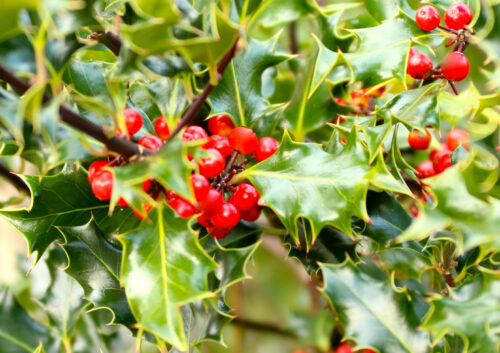
Holly isn’t just for Christmas—it’s a true survivor. Fossil records show that English Holly has been around for three to ten million years! Its tough, leathery leaves are famously prickly, a clever natural defense against hungry animals. From May to June, the shrub produces clusters of sweet-smelling white flowers that pollinators absolutely love. These eventually turn into those iconic, bright red berries. Just a heads-up: these berries are toxic, and like the rest of the plant, they should never be eaten.
++Common Hazel (Corylus avellana)
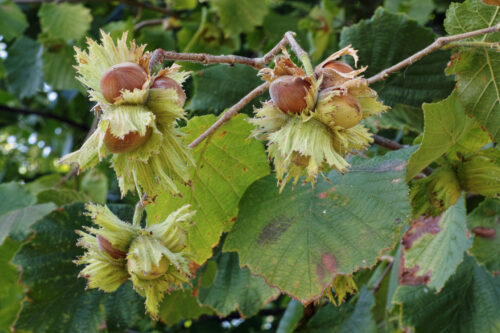
A staple of the landscape since the last Ice Age, the Hazelnut thrives in open woodlands but feels right at home in a naturalistic garden. This multi-stemmed shrub grows between 10 and 20 feet tall and features lush green leaves with serrated edges that turn a stunning golden yellow in the fall. You’ll often see the long, drooping male catkins as early as late January. These are followed by delicious, aromatic nuts that are a favorite for humans and squirrels alike.
++Common Dogwood (Cornus sanguinea)
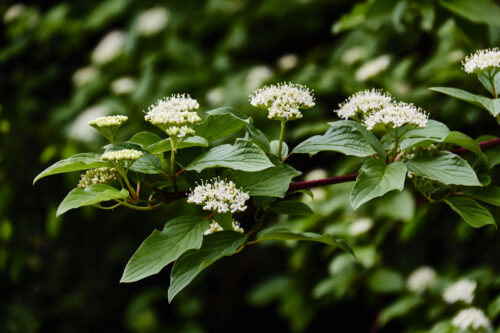
If you’re looking for year-round visual interest, this 13-to-20-foot shrub is a fantastic choice. Even after the leaves drop in the winter, its vibrant red branches pop against the snowy or grey landscape. In late spring, the plant is covered in brilliant white flower clusters that stand out beautifully against the dark green, slightly fuzzy foliage. The dark, almost black berries that follow are a major hit with local birds.
++Cornelian Cherry (Cornus mas)
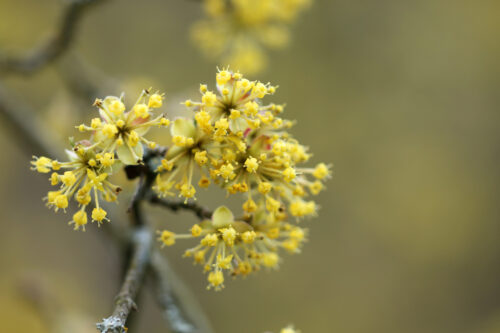
This large shrub produces edible, deep red fruits that have a wonderful tart-sweet flavor when fully ripe. As early as February—well before the leaves appear—the Cornelian Cherry bursts into bloom with bright yellow flowers that provide an early-season feast for insects. The blooms last for up to four weeks, making it easy to spot in the spring. By autumn, the wavy-edged green leaves shift into warm shades of yellow and orange.
++Hawthorn (Crataegus)
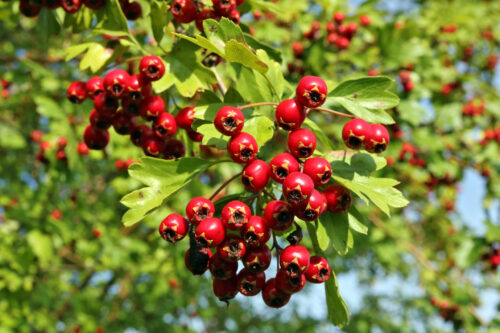
There are two main Hawthorn species common in the wild: the Common Hawthorn (Crataegus monogyna) and the Midland Hawthorn (Crataegus laevigata). They are famous for their spectacular late-spring bloom, where the entire shrub is practically buried under a cloud of fragrant white flowers. During this time, they are a magnet for bees and butterflies. Plus, their thorny branches make them a perfect, “fortified” nesting site for songbirds.
++European Yew (Taxus baccata)