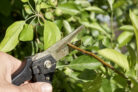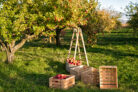
Once those first apples are ready to be picked, you know fall is just around the corner—and so is that delicious harvest! But if you want your tree to keep producing those big, juicy apples year after year, regular pruning is a must. Now, most trees have a specific “best” time to get a trim, but does that rule apply to apple trees too?
When Does a Fall Pruning Make Sense?
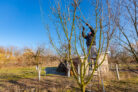
Generally speaking, pruning an apple tree is a job for the winter. However, there are a few exceptions where a summer or fall trim is actually a great idea. For instance, if you have a massive tree, it’s sometimes easier to prune right while you’re harvesting, especially since those high-up fruits can be a real pain to reach!
Here are a few other reasons you might want to grab your shears this fall:
- To fix any “oops” moments from your spring or summer pruning.
- To start rejuvenating an older tree (thinning out the canopy often begins in the fall).
- To clear out any dead or diseased branches.
- To remove “mummy fruits” (those rotted or moldy apples left on the branch).
- To cut back those tall water sprouts that shot up over the summer.
How a Fall Trim Affects Your Tree
One thing to keep in mind: pruning in the fall usually triggers more vigorous new growth than pruning in late winter. As a rule of thumb, the more aggressively you cut back the branches, the more aggressively the tree will try to grow back. You’ll want to be careful here; if the canopy gets too dense, air and light can’t circulate properly. This can lead to tree diseases, tiny fruit, or a disappointing harvest next year.
Tool Care and Safety Tips
Let’s be honest—pruning is way more fun when you have the right tools for the job. Keeping your gear in tip-top shape doesn’t just make the work easier; it also prevents accidents and helps your tools last a lifetime. Always wear a sturdy pair of gloves while pruning or cleaning your equipment to keep your hands safe.
Cleaning Your Pruners After the Job
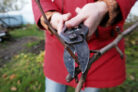
- Once you’re done, use a flat metal edge (like a pocket knife) to scrape any sticky sap off the blades.
- Give the blades a quick rubdown with steel wool. This polishes them up and removes any stubborn dried dirt or bits of rust.
- Finally, apply a little lubricating oil to protect the metal from rust and keep everything moving smoothly while in storage. Just rub a bit of oil onto the clean blade with a dry cloth, and you’re good to go!