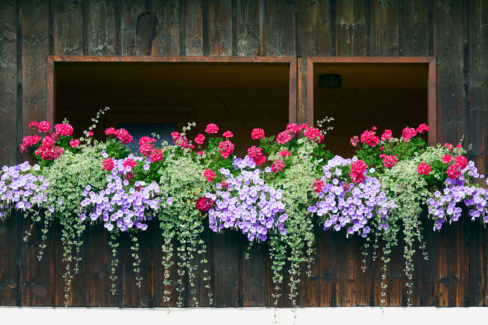
When it comes to balcony gardening, English Ivy (scientifically known as *Hedera*) is a total overachiever. Whether you want it to scale a side wall or spill gracefully over the edge of a window box, this plant handles both like a pro. Plus, it’s the ultimate team player—it fills out any arrangement beautifully without stealing the spotlight from your favorite blooms.
The Perfect Match for Shady Balconies
English Ivy absolutely loves the shade, which is a rare trait in the plant world! This makes it a top-tier choice for balconies that only catch a few rays of sun each day. It can still thrive on sunnier balconies, too, as long as you find it a cozy spot tucked away from that intense midday heat. If it gets too much direct sun, it’ll let you know by developing yellow leaves.
A quick heads-up:
English Ivy is highly toxic, especially its berries. If you have curious toddlers or pets who might try to snack on the plants, you’ll want to be extremely careful. Safety first!
Choosing the Right Home for the Roots
You can grow ivy in a pot or a planter box—both work great. It really just comes down to your balcony layout and whether you want your ivy to climb up or trail down.
Feel free to plant ivy alongside other flowers; the deep green foliage creates a stunning contrast against bright, bold blooms. Just make sure its “root house” is big enough for its size and—this is key—has plenty of drainage holes.
Pro Tip:
If you want your ivy to climb, give it a trellis or support early on. Those little aerial roots are incredibly strong and can be a nightmare to remove from walls. They can even damage your siding or masonry if left to their own devices!
Balcony Care 101
Here’s a quick cheat sheet for keeping your ivy happy:
- Add a drainage layer (like pebbles) at the bottom when planting.
- Water regularly—ivy loves consistently moist soil.
- Let the top inch of soil dry out slightly before watering again.
- From April to August, fertilize every two weeks with a liquid fertilizer (but use a half-strength dose).
- Repot every spring, and skip the fertilizer for a few weeks afterward.
- Prune it whenever you want to maintain its shape (and wear gloves to avoid skin irritation!).
Winter Survival Guide
Most ivy varieties are quite hardy and can stay outside all winter. However, it’s a good idea to give them a little extra love by covering the soil with brushwood or evergreen branches and wrapping the pot in burlap or fleece. And don’t forget: even in the winter, your ivy will need a drink of water every now and then!