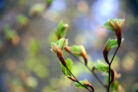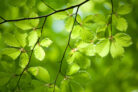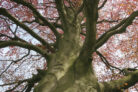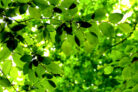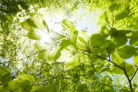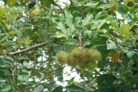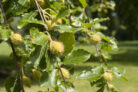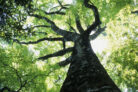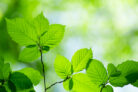
European Beeches (known as *Fagus sylvatica*) are those majestic deciduous trees you’ve probably spotted in local parks, large estates, or sprawling forests. While they are stunning to look at, these trees are way more than just a pretty face in the landscape—they’ve been incredibly useful to humans for centuries.
How We Use the European Beech
Beyond just looking great in a backyard, the European Beech has a long history in industry, as a food source, for livestock feed, and even in traditional medicine.
Industrial Uses
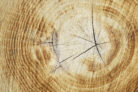
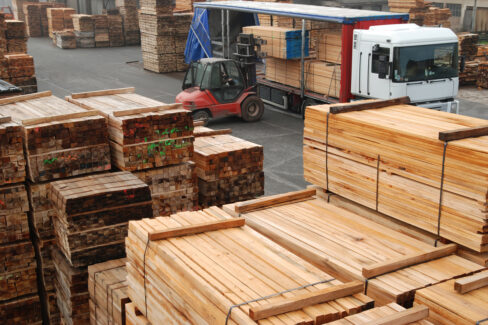
Beech wood is famous for its subtle reddish tint, fine grain, and impressive strength. Because it’s so durable, it’s a go-to material for:
- Building sturdy staircases
- High-quality furniture making
- Hardwood flooring and parquet
- Wooden toys (since it doesn’t splinter easily!)
- Tool handles
- Producing charcoal and high-grade firewood
Food for Humans and Animals
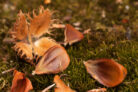
The fruit of the beech tree, known as beechnuts (or “mast”), actually served as a food source during lean times in history. A quick heads-up: raw beechnuts contain a mild toxin. However, if you roast them, the heat neutralizes the toxin, leaving you with a nut that isn’t just edible—it’s actually delicious!
For livestock, raw beechnuts mixed with dried shoots and leaves make for great fodder. In the old days, farmers even used the dry leaves as bedding in stables. In the springtime, it was common practice to feed cows fresh young twigs to help boost their milk production.
Traditional Healing and Medicine
Unlike the nuts, beech leaves are perfectly safe and packed with natural compounds. They are known for being anti-inflammatory, astringent, antiseptic, and even fever-reducing. Back in the day, people would chew on the leaves to soothe a toothache or apply crushed leaves to skin ulcers to calm inflammation. It was also a common remedy for:
- Digestive issues
- Fevers
- Gout
- Skin conditions
- Rheumatism
- Wound care
Beech bark was often used to break fevers or quiet a cough. You might also hear about beech tar (distilled from the wood); it was used internally as an expectorant and externally for skin issues. Even beech ash was mixed with St. John’s Wort oil to create a healing salve for wounds. While modern medicine has taken over most of these roles, you’ll still find beech used in homeopathy today.
The Ultimate Firewood
If you have a fireplace, you probably know that beech is gold standard. It’s a very hard wood that burns slowly and throws off a ton of heat. Beech chips are also a favorite for smoking meats—ham or fish smoked over beechwood is a real gourmet treat! And let’s not forget the BBQ; beechwood makes excellent charcoal that provides steady heat and a fantastic flavor for grilling.