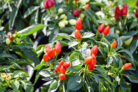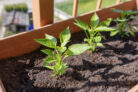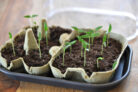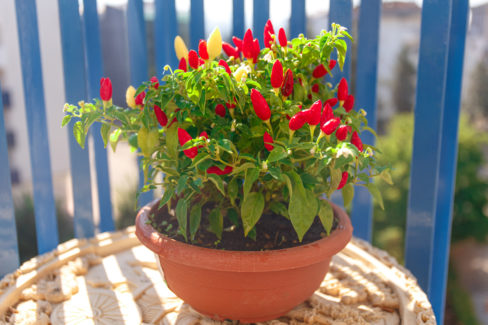
Peperonis don’t need a ton of space to thrive, and they actually do great in pots. This makes them the perfect “edible decor” for your balcony! To get a great harvest, there are just a few simple tips you need to keep in mind to keep your plants happy.
Location
Peperonis are total sun-worshippers. However, if they’re sitting in the blazing afternoon sun—especially on a balcony—you’ve got to keep a close eye on their water. If they get too thirsty, the leaves will start to wilt and you won’t get as many peppers.
Pro tip: These plants love being near a house wall. The wall soaks up heat during the day and radiates it back to the plants in the evening. And unlike tomatoes, you don’t have to panic if they get caught in a rain shower; they are much more resistant to diseases than their tomato cousins.
One thing they *don’t* like is wind. Make sure your balcony spot is sheltered. In windy spots, the plants tend to look a bit stunted and won’t produce as many flowers.
Soil and Substrate
Peperonis are “heavy feeders,” meaning they need nutrient-rich, well-draining soil. They hate “wet feet” (standing water), but they do need a consistent supply of moisture. For growing in pots, I recommend using a high-quality vegetable or compost soil.
Mix in some water-retaining granules like lava rock or expanded clay to help manage moisture. It’s also a smart move to put a layer of these materials at the bottom of the pot for drainage to prevent root rot.
Watering and Fertilizing
When you grow peperonis in containers, they’re completely dependent on you for food and water since they can’t send roots deep into the ground to find their own. Depending on how much sun they get, you’ll likely need to water them at least once a day.
On those scorching summer days, evaporation happens fast, and you might even need to water both morning and night. If you’re worried about forgetting, a moisture meter is a lifesaver for balcony gardeners. You can get fancy battery-operated ones that beep or flash when the soil is dry, but a simple analog probe works just fine too!
As for food, give them some liquid fertilizer every two weeks. When you first plant your peperonis, you can mix in some organic slow-release fertilizer (like horn shavings) to give them a steady supply of nutrients throughout the season.