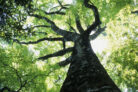
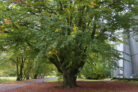
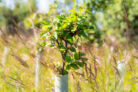
Once your beech tree finds its “happy place” in your yard, it really hits the ground running. If the soil is just right, that cute little sapling will be a memory before you know it, replaced by a towering giant. Depending on the size of your property, that’s either a dream come true or a bit of a headache!
Growth Rates: By the Numbers
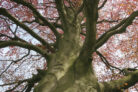
It takes quite a while for a tiny sprout to reach its full size, which makes sense when you realize we’re talking about a tree that can hit 150 feet tall. Plus, a mature beech trunk can reach a massive 6 feet in diameter. To get there, the tree has to keep up a pretty brisk pace. Here’s what you can expect in an average year:
- Height growth: about 20 to 24 inches
- Width growth: about 16 to 20 inches
- Trunk circumference: increases by about half an inch
Quick Note:
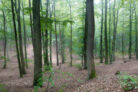
Beech bark is surprisingly thin and sensitive. To protect itself from “sunburn,” the tree naturally grows a low, leafy canopy to shade its own trunk. You’ll usually only see a tall, bare trunk if there are other shrubs nearby providing that necessary shade.
What’s Happening Underground
When it comes to beeches, you’ve got to think about what’s going on beneath the surface. While the exact measurements aren’t as vital as the height, the structure of the roots is a big deal. These trees are shallow-rooted, meaning most of the action happens just 20 inches below the surface, but they spread out wide. While a young sapling focuses on deep roots at first, it quickly switches gears to massive lateral growth. This can lead to a few issues:
- Older trees are incredibly difficult (or impossible) to transplant successfully.
- Roots can put serious pressure on wall foundations.
- Underground pipes or utility lines can get damaged.
Pro Tip:
If you’re planting a beech as a standalone specimen tree rather than a hedge, make sure to give it plenty of breathing room—at least 50 feet away from structures.
Keeping Beech Hedges in Check
We’re talking about the European Beech here—the one that keeps most of its copper-colored leaves throughout the winter. While Hornbeams are also popular for hedging, they’re actually part of the birch family and have a few key differences. Because beeches grow so fast, they create a thick, private screen in no time. However, that speed is a double-edged sword; you’ll need to stay on top of pruning regularly to keep your hedge from turning into a wild forest!