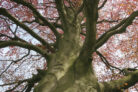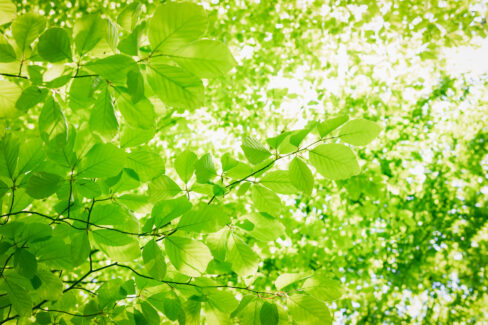
If there’s one tree we should all get to know a little better, it’s the Beech! In many parts of the world, these majestic giants are the backbone of the forest. You’ve probably walked past them a thousand times, but there is so much more to these trees than meets the eye. Ready to see how much you actually know about the “Queen of the Forest”?
The Quick Facts
- Scientific Name: Fagus
- Family: Fagaceae (Beech family)
- Common Varieties: European Beech, Copper Beech, Weeping Beech
- Native Range: Temperate zones of the Northern Hemisphere
- Tree Type: Deciduous (sheds leaves annually)
- Lifespan: Up to 300 years
- Height: Up to 150 feet
- Growth Rate: Roughly 20–24 inches in height and 16–20 inches in width per year; trunk circumference grows about 0.4 inches annually.
- Hardiness: Extremely hardy (down to -22 °F)
Leaves from Spring to Winter
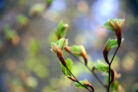
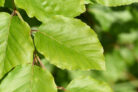
Early in the year—usually around April—the Beech starts waking up. If it’s a particularly warm spring, you might even see buds popping in March. The leaves of the common European Beech have some very specific “ID markers”:
- Oval-shaped, pointed at the tip, and rounded or wedge-shaped at the base
- About 3 to 4 inches long and 2 inches wide
- Wavy edges with very slight serration
- A bit of “fuzz” or hair on the underside
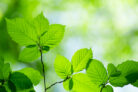
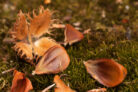
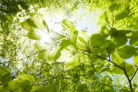
In the spring, the leaves are a delicate, bright green. By summer, they turn a glossy dark green, and in the fall, they put on a show in shades of orange and bronze. Interestingly, many Beech trees keep their dried, brown leaves clinging to the branches all through the winter.
Pro Tip:
Did you know Beech leaves are edible? Try tossing a few young spring leaves into a salad—they have a surprisingly tender texture and a fresh, slightly tart flavor.
Bloom Time and Flowers
Beech trees aren’t in a rush to reproduce; they usually don’t flower until they are 10 to 15 years old. When they do, the blooming window is short, lasting only from late April through May. A single tree is “monoecious,” meaning it grows both male and female flowers at the same time.
- Flowers appear on the new young branches
- Male flowers: About 1.5 to 2 inches long, hanging in drooping clusters
- Female flowers: Stand upright in small groups of 2 or 3
- Color: Subtle shades of yellow, green, and brown
The Fruit (Beechnuts)
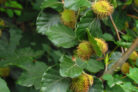
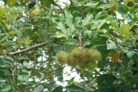
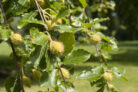
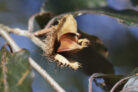
Patience is key here—Beech trees don’t produce fertile fruit until they are between 40 and 80 years old! The nuts, known as beechnuts, ripen in September and October. Every 5 to 8 years, we see a “mast year,” where the trees produce a massive bumper crop of nuts. While they are slightly toxic if eaten raw in large quantities, you can definitely eat them! Just soak them and roast them first. They make a great snack, or you can grind them into a flour or coffee substitute.
The Root System
The Beech uses a “heart” root system. When the tree is young, it focuses on sending roots deep into the center. As it matures, it spreads out a vast network of shallow roots. These are often only 20 to 28 inches below the surface.
Gardening Tip:
Because those shallow roots are so strong, they can actually damage nearby walls or underground pipes. If you’re planting a standalone Beech, give it plenty of breathing room—at least 30 to 50 feet away from structures.
Trunk and Bark
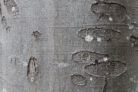
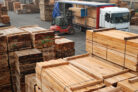
The trunk of a Beech tree stays relatively short when it grows out in the open; this allows the low-hanging canopy to shade the trunk. This is important because the bark is incredibly thin! It starts out dark green and eventually turns a beautiful silvery-gray. Unlike many other trees, the bark stays smooth and doesn’t develop rough furrows as it ages. Beech wood has a lovely reddish tint and is a favorite in the furniture-making industry.
Location and Soil
Beech trees are happiest in a spot with full sun to partial shade. They love soil that is moist but well-draining, and they really thrive in nutrient-rich, lime-heavy (alkaline) soil.
Propagation
In nature, Beeches grow from seeds. If you’re trying to grow one at home, you can also propagate them via cuttings, air layering, or ground layering.
A Note on the Hornbeam
Heads up: The Hornbeam (Carpinus betulus) isn’t actually a true Beech—it’s part of the Birch family! However, because they look so similar, people mix them up with the European Beech all the time.