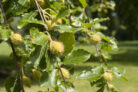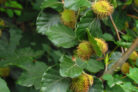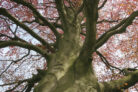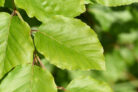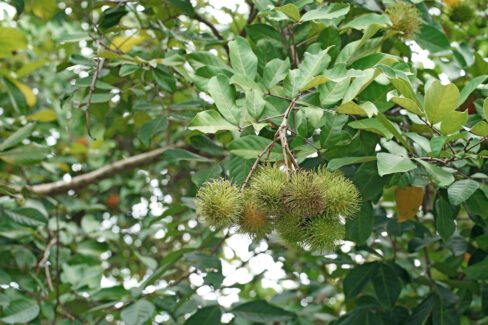
Let’s be honest: when we think of spectacular spring blooms, trees aren’t usually the first thing that come to mind. We leave the heavy lifting to the flower beds! We expect trees like the beech to provide us with lush greenery and a nice patch of shade on a scorching summer day. But it’s actually a little surprising how the beech tree’s flowering season arrives almost in secret and vanishes before most people even notice.
A Tight Window for Blooms
Typical for deciduous trees in our neck of the woods, the beech blooms in the spring. Interestingly, it actually starts preparing those buds the year before! Generally, the action starts in late April, and by the time May wraps up, the last flowers have already withered. Compared to other tree species, this is a pretty short window. Of course, Mother Nature has the final say—in a warm year, the *Fagus* (that’s the scientific name) might start showing off in March, while a cold snap could delay things until June.
One thing to keep in mind: don’t expect a beech to bloom right after planting. These trees take their time to reach “maturity,” which is just a fancy way of saying they are old enough to flower and produce fruit. You’re looking at 10 to 15 years at the absolute earliest. If you’re growing a European Beech, you might be waiting 30 to 50 years before you see that first bloom!
Quick Note:
Beech pollen can be a real pain for allergy sufferers. If you’re prone to hay fever, that short flowering window is actually a bit of a blessing!
Low-Key Flowers
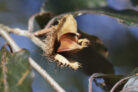
To be fair, beech flowers aren’t exactly “showstoppers.” If you aren’t looking closely, you might miss them entirely. The beech is “monoecious,” which is botanical speak for a tree that carries both male and female flowers on the same plant. Here’s what to look for:
- The flower buds sprout at the same time as the leaves.
- You’ll find them on the young, new branches.
- The male flowers are the “flashy” ones—they’re about 1-2 inches long and hang in drooping, fuzzy clusters.
- The female flowers are much more subtle, standing upright in small groups of two or three.
- The colors are very earthy—mostly blends of yellow, green, and brown.
Pro Tip:
Beech trees don’t bloom with the same intensity every year. Some years you’ll barely see a bud, while in “mast years,” the canopy is absolutely loaded with them. It’s worth keeping an eye on your tree every spring to see what kind of year it’s having!
Don’t Mix It Up with the Hornbeam
If you’re heading out to inspect some beech blossoms, make sure you’re looking at an actual beech and not a Hornbeam. Despite the name, the Hornbeam isn’t a true beech at all—it’s actually part of the birch family! They look very similar at first glance, but if you look closer, there are some key differences between a Beech and a Hornbeam that will help you tell them apart.