A beech tree might have everything it needs above ground to look stunning, but without a solid root system to back it up, that tree isn’t going anywhere. It’s an easy detail to overlook—we often pop a sapling in the ground and call it a day—but what’s actually happening beneath the surface is what determines the tree’s future.
The Beech Tree’s “Heart” Root System
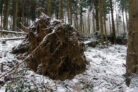
Beech trees use a clever combo of different root types known as a heart root system. When they’re just little saplings, they start by sending strong roots almost vertically down under the trunk. These deep roots act like an anchor, making sure the tree stays upright during a nasty storm, while also tapping into water and nutrients deep in the soil.
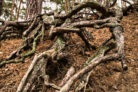
Once that foundation is set, the tree starts branching out horizontally with a network of shallow roots that spread through the upper layers of soil. These give the tree extra stability and help it soak up surface water. For this to work, the soil at your planting site needs to be nice and loose. You’ll want to avoid spots that get waterlogged (which leads to root rot) or areas that dry out too fast.
Watch Out for Those Lateral Roots
Those shallow roots usually sit about 20 to 30 inches deep. They don’t just stay huddled near the trunk, either; they spread out wide, often mirroring the size of the tree’s canopy. Because these roots are incredibly strong and persistent, they can cause some headaches if they run into pipes, walls, or other shallow-rooted plants. In a “root war” between a beech and a smaller plant, the beech usually wins.
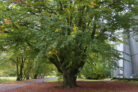
While you can always prune the branches, you can’t really stop the roots once they get going. Beeches are famous for their fast growth rate, and they’ll be looking for extra space before you know it. If you’re planting a beech as a standalone feature tree, I’d recommend giving it a good 50 feet of clearance from any structures.
Quick Note:
Don’t confuse the European Beech with the Hornbeam. Even though they look similar, Hornbeams are actually part of the birch family. Their root systems go much deeper and are generally less “aggressive” than the true beech. There are actually quite a few differences between the two!
Transplanting and Removal Challenges
If you realize a young beech is in the wrong spot, move it as soon as possible. Once they get established, it’s nearly impossible to dig them up without causing serious damage to the root system.
- Only try to transplant young trees.
- Do it while the tree is dormant.
- Fall is the best time, but you can go as late as February.
- If you ever have to cut a beech down, make sure to dig out the roots thoroughly, or they might just start sprouting again!
Pro Tip:
You don’t need to worry about fertilizing an old, established beech tree. Its massive root system is more than capable of finding all the nutrients it needs on its own.