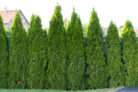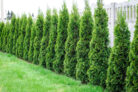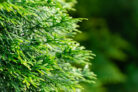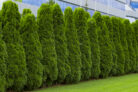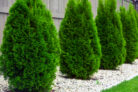
Even though the ‘Smaragd’ Arborvitae (also known as Emerald Green) isn’t always the first choice for a dense privacy screen, people absolutely love it for its vibrant green color and elegant, narrow shape. If you want your planting project to be a success, timing is everything.
When is the best time to plant an Emerald Green Arborvitae?
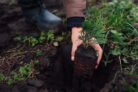
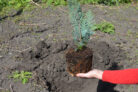
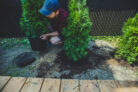
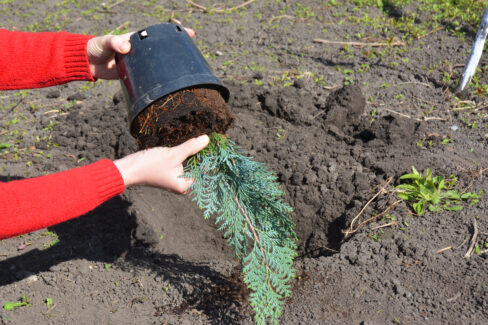
The ‘Smaragd’ grows best when it’s planted as a standalone specimen, but you can definitely create a stunning hedge if you give the trees enough breathing room. To make sure your Arborvitae gets a strong start at its new location, you’ll need to prep the soil and pick the right window of time.
Ideally, you should plant your Arborvitae in the spring once the soil is no longer frozen and has had a chance to warm up in the sun. Usually, this is between April and May. This gives the tree plenty of time to get established before winter hits. If you miss the spring window, early fall is your next best bet.
Young Arborvitae are actually quite prone to “sunburn,” and their roots are especially sensitive to direct sunlight during the planting process. Try to pick a day with the following conditions:
- Overcast or cloudy skies
- Right after a good rain (ideal soil moisture!)
- Avoid the heat of midday
Do I need to protect my Arborvitae after planting?
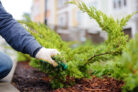
Even though these trees are cold-hardy, young plants still need a little extra TLC during their first winter. A tree planted in the fall hasn’t had much time to toughen up, so it might struggle with a long, hard freeze. Your best bet is to mulch the base of the tree. You can use:
- Chipped Arborvitae trimmings
- Weed-free grass clippings
- Bark mulch
- Fallen leaves
- Straw
A good layer of mulch isn’t just for winter, though. In the summer, it acts as a natural fertilizer as it breaks down. Plus, it helps the soil retain moisture, which keeps your hedge from drying out during those hot July spells.