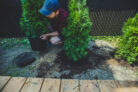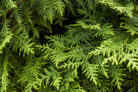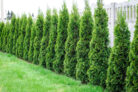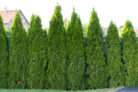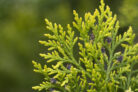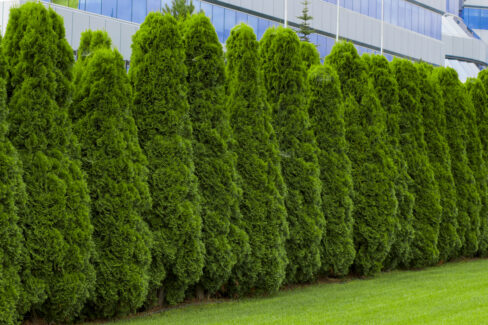
Compared to other arborvitae varieties, the ‘Emerald Green’ Thuja (Smaragd) isn’t always the first choice for a privacy hedge. That said, plenty of gardeners love it for its vibrant, lush green color and elegant shape. If you’re planning on using them for a screen, getting the spacing right is key to a healthy look.
What’s the ideal spacing for an Emerald Green Thuja?
If you’re planting your Emerald Green Thuja as a standalone specimen, give it at least 3 feet (1 meter) of breathing room from other plants. For a hedge, you’ll want the trees spaced at least 2 feet (60 cm) apart, though 30 inches (80 cm) is usually the sweet spot. Keep in mind that this variety is a bit pickier as a hedge plant because its growth habit isn’t quite as dense as other cultivars. It also takes a little longer for those gaps to fill in and give you total privacy.
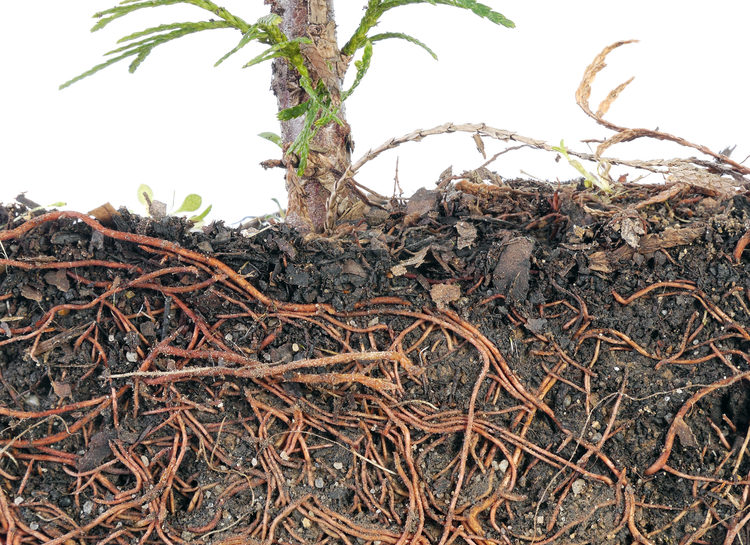
It’s not just about the distance between the trees, though. Since these are shallow-rooted plants, their root systems tend to spread out wide rather than deep. You’ll need to make sure you’re leaving enough space between your trees and:
- Your neighbor’s property line
- Walkways and patio pavers
- Nearby flower beds
How far should they be from property lines and sidewalks?
In many areas, there are local ordinances or HOA rules about how close you can plant to a neighbor’s yard. These rules are there to prevent “fence wars” and keep roots from damaging public infrastructure. A good rule of thumb is to plant the tree as far away from the line as its expected mature height, but definitely check with your local city hall or planning office for the specific codes in your neck of the woods.
The good news? Because arborvitae roots don’t go very deep, you don’t usually have to worry about them messing with underground utility lines, retaining walls, or your home’s foundation. However, sidewalks, driveways, and pavers are a different story—expanding roots can eventually lift them up. They also love to creep into nearby garden beds and hog the nutrients. To play it safe, try to give them plenty of clearance based on how tall you expect them to grow.