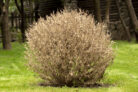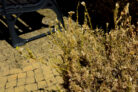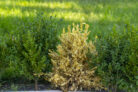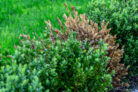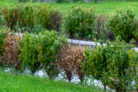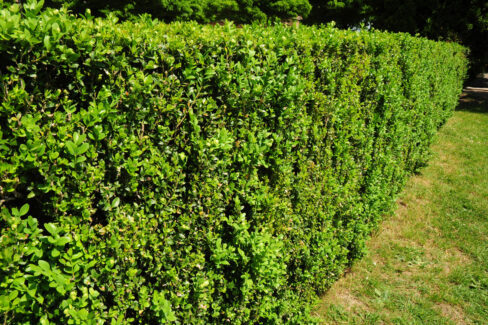
Spring is finally here, but is your boxwood looking a little… dead? If there’s no new green growth in sight and the whole thing looks like it’s given up the ghost, don’t panic just yet. It’s a nightmare scenario for any gardener, but it doesn’t have to be the end of the road. You’ll need to start a rescue mission immediately, and then—I won’t lie to you—you’re going to need a healthy dose of patience.
Did your boxwood suffer frost damage?
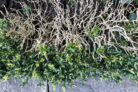
If spring has sprung but your boxwood is showing zero new buds while the old branches look brown and brittle, it probably had a rough winter. Interestingly, it’s usually not the cold itself that does the damage—boxwoods are actually quite hardy. The real culprit is thirst. Since they are evergreens, they keep losing moisture through their leaves all winter. If the ground stays frozen for a long time, the roots can’t drink, and the plant essentially dies of dehydration. Toss in some bright winter sun, and the evaporation speeds up even more. The tricky part? You often won’t see the damage until spring, when it’s too late to prevent it.
Give it a radical haircut
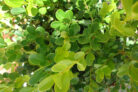
Even if your boxwood looks totally lifeless on the outside, there might still be a spark of life deep inside. It is definitely worth trying to coax it back! As long as the roots aren’t completely fried, you’ve got a fighting chance.
- Prune your boxwood in late March or early April.
- Don’t be afraid to cut back into the old wood.
- You can remove up to a third of the canopy—or even more if things look really bad.
- Fertilize with compost, horn shavings, or a specialized boxwood fertilizer.
- Keep it well-watered during the recovery phase.
- Apply a layer of bark mulch around the base to protect the roots.
Weakness caused by pests and disease
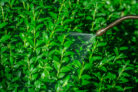
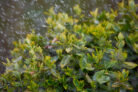
Sometimes, pests and diseases can sap so much energy from a boxwood that it simply doesn’t have the strength to push out new growth. The usual suspects are the dreaded boxwood blight or the notorious boxwood moth (Cydalima perspectalis). Even less “deadly” pests can leave a plant too weak to thrive if they aren’t caught early.
To jumpstart new growth, follow the same steps mentioned above. However, keep in mind that these rescue efforts work best when done in the first half of the year. If your plant gets hit hard by a pest infestation in late summer, it simply won’t have enough time to recover before winter hits. In that case, whether it wakes up the following spring is anyone’s guess.
Quick Tip:
Always dispose of diseased clippings in your regular household trash immediately. Never put them in your compost pile, or you’ll just be spreading the pests and pathogens around your garden!