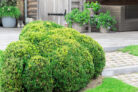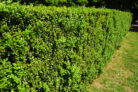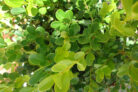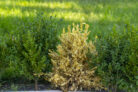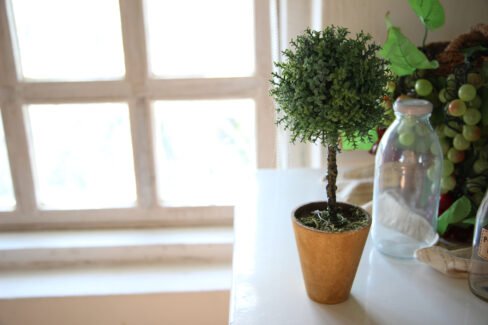
Since boxwood is evergreen and so easy to shape, it’s only natural to want to fill every corner of your home with it. But keeping a boxwood as a houseplant? That sounds a little out there, right? To be honest, it is a bit of a challenge. If you want to keep your boxwood looking lush and healthy indoors, you’re going to have to put in some extra work.
Boxwoods Need the Seasons
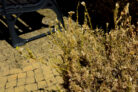
Unlike most of our favorite houseplants, boxwoods aren’t tropical. They’re built to experience all four seasons—weather mood swings and all. They need that cycle of active growth followed by a dormant period to stay strong. When a boxwood stays inside year-round, it tends to get “weak” and becomes a magnet for pests like spider mites and aphids.
Quick Tip:
Give your boxwood a sniff before you commit! Some varieties have a very distinct scent that you might not notice outdoors, but it can be pretty intense inside. Some people think it smells resinous and fresh; others find it a bit off-putting.
Finding the Right Spot
If you’re bringing a boxwood inside, you need to find the absolute brightest spot in your house. These plants crave light, so right by a window is your best bet. Even then, indoor light in the summer isn’t nearly as strong as outdoor sun, and winter can be a real struggle. You might want to invest in a grow light to help your leafy friend get through the darker months.
The Best Soil for Indoor Pots
For the soil, a standard high-quality potting mix works just fine. You can also use a mix specifically for evergreens or boxwoods if you want to get fancy. The most important thing is drainage: add a couple of inches of gravel or clay pebbles at the bottom so the roots don’t sit in water. Make sure your pot is deep, wide, and has plenty of drainage holes. Plan on refreshing the soil every two to three years.
Indoor Care Routine
Keeping an indoor boxwood happy requires a bit of a checklist. You don’t want to skip these steps:
- Water regularly with room-temperature water.
- Let the top layer of soil dry out before watering again (do the finger test!).
- Cut back on water between August and March.
- Fertilize from April through August.
- Use a liquid fertilizer every two weeks during the growing season.
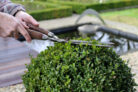
- Prune for shape in April or May.
- Give it a quick maintenance trim by August.
Wintering Indoors
When we talk about “wintering” an indoor boxwood, we aren’t trying to hide it from the frost—we’re trying to protect it from too much heat! To give the plant the rest it needs, move it to a cooler room that still gets plenty of light. And don’t forget: even though it’s resting, it still needs a little water now and then!