Climbing plants are like nature’s own interior decorators—they can turn a plain wall or a boring fence into a lush, green masterpiece. Plus, they’re the perfect way to add some cozy privacy to a pergola. Today, I’m breaking down seven of the most popular climbers for your yard, along with a little “insider tip” plant you’re going to love.
[[pflanzen]]
++Climbing Roses (Rosa)
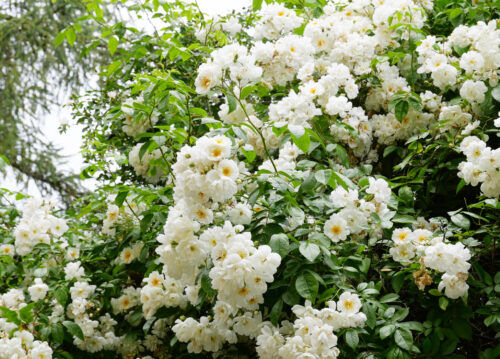
When we talk about climbing roses, we’re usually looking at two main types: Climbers and Ramblers. Both produce long, graceful canes that you can train along rose arches, fences, or trellises. They are absolute showstoppers for turning a house wall into a fragrant sea of color. Ramblers usually give you massive clusters of small, delicate flowers that look a bit like wild roses. On the other hand, repeat-blooming Climbers are famous for their large, classic blossoms and an incredible range of colors.
++Evergreen Honeysuckle (Lonicera henryi)
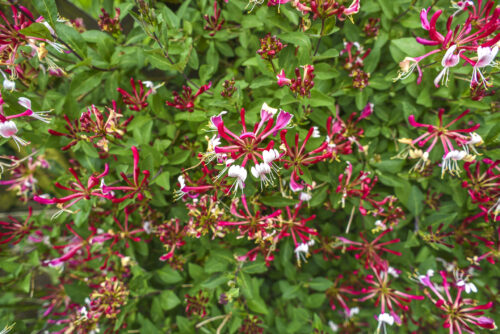
If you’re looking for speed, this is your plant! This variety is a fast grower, sometimes putting on up to 30 inches in a single year. Because Evergreen Honeysuckle climbs by twining its stems, it definitely needs a sturdy trellis to hold onto. The deep green, lance-shaped leaves stay on the vine all winter, giving you a solid privacy screen year-round. The trumpet-shaped yellow or orange flowers look stunning against the foliage, and on warm summer days, the scent is absolutely heavenly.
++Climbing Hydrangea (Hydrangea petiolaris)
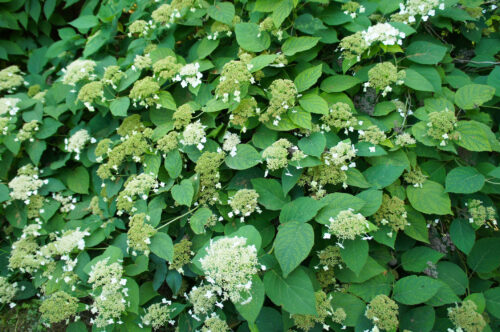
Climbing hydrangeas are pretty clever—they use tiny aerial roots on their stems to “stick” to surfaces and climb all on their own. Depending on the variety, the glossy green leaves might stay through winter or turn a beautiful bright yellow in the fall before dropping. From May to July, you’ll get these delicate, flat flower clusters fringed with white blooms. Just a heads-up: you’ll need a little patience with this one. It usually takes about five years before a climbing hydrangea starts showing off its first flowers.
++Hops (Humulus lupulus)
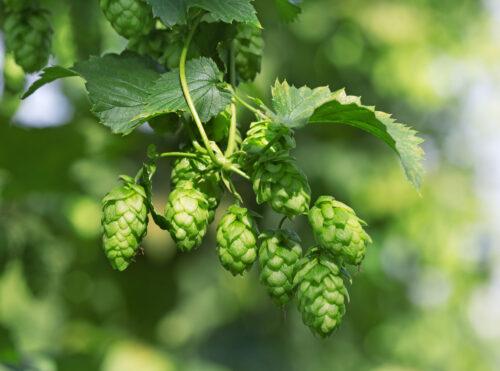
Hops aren’t just for brewing beer anymore! Lately, they’ve become a huge favorite for home gardeners. Hops are incredibly vigorous growers; they love to twine around heavy-duty twine or sturdy branches. This “climbing artist” can grow up to 12 inches in a single day! The vines die back to the ground in the fall, but don’t worry—the roots stay alive and well, sending up brand-new shoots every spring.
++Wisteria (Wisteria sinensis)
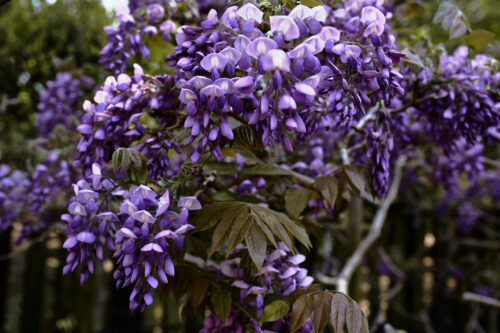
Wisteria is the ultimate “wow-factor” plant. With its massive, drooping clusters of blue-violet flowers (which can grow up to a foot long!), it transforms gardens from May to June. It’s almost magical how all the flowers in a cluster seem to open at once. They smell amazing and are a total magnet for bees. Just keep in mind that after the flowers fade, they produce green pods—and like the rest of the plant, these are toxic, so keep an eye on pets and kiddos.
++English Ivy (Hedera helix)
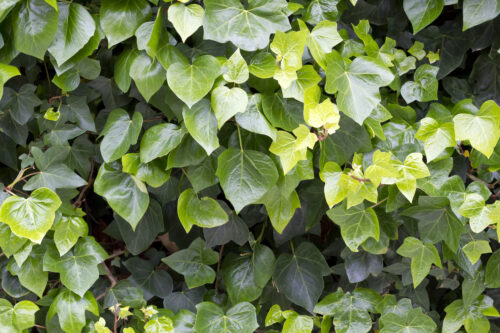
Ivy is the king of climbers. Using its “sticky” roots, it can scale even smooth concrete and reach heights of up to 65 feet. For the first few years, it sports those classic lobed leaves we all know. Once the plant “matures” (usually around age eight), the leaves become heart-shaped. That’s also when ivy starts to bloom, producing round, fragrant flower clusters. Since they’re packed with nectar, they’re a vital late-season food source for bees and other pollinators.
++Clematis (Clematis)
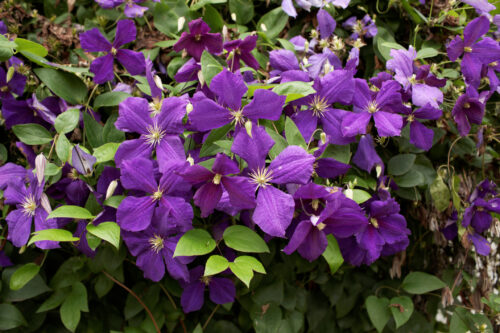
With over 200 species and countless hybrids, Clematis is the “Queen of Climbers.” The flowers are simply stunning, but it’s not just the petals that catch the eye—the centers are often filled with beautiful, showy stamens. These plants climb by wrapping their leaf stalks around a support. If a Clematis is happy in its spot, it can be incredibly vigorous, with some varieties reaching heights of up to 40 feet.
%%Hardy Kiwi / Kiwi Berry (Actinidia arguta)
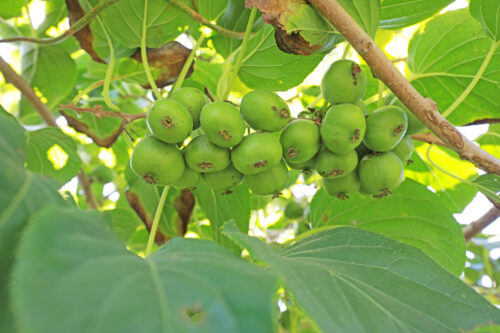
Here’s my secret tip! This climber has been gaining a lot of fans lately. Unlike the fuzzy kiwis you see at the grocery store, these “Kiwi Berries” are super cold-hardy, surviving temperatures down to -13°F. They can grow up to 20 feet tall, creating a dense wall of dark green, pointed leaves. In June, you’ll get creamy white flowers, followed by grape-sized kiwi fruits. They ripen from late August through October, taste incredibly sweet, and—best of all—you can eat them whole, skin and all, right off the vine!