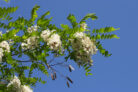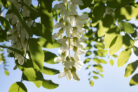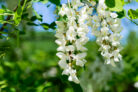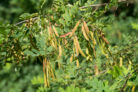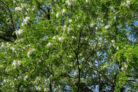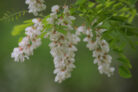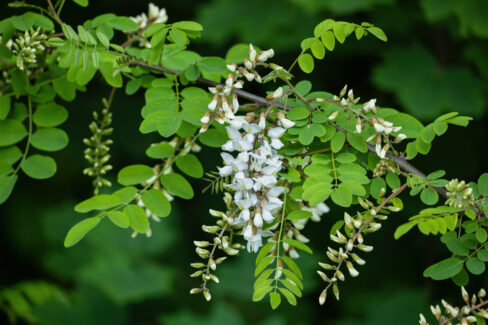
If you’ve got a tall, old Black Locust tree (Robinia) in your yard that you’re looking to get rid of, I’ve got to warn you: it’s not as simple as just cutting it down. These trees are stubborn! Traditional methods usually backfire, and if you want to truly tackle those deep, aggressive roots, you’re going to need a specific game plan.
Why a “Radical Cut” Just Won’t Work
With most trees, you chop them down and that’s that. Not the Black Locust. If you just take a chainsaw to the trunk, you’re actually making the problem worse. See, this tree is obsessed with staying in balance. When you remove the top, the roots go into “survival mode” and start sending out even more suckers and shoots to compensate. Instead of killing the tree, you end up with a yard full of mini-locusts and an even stronger root system.
Effective Ways to Fight Back
To really get rid of a Black Locust and its massive root network, you have a couple of options that actually work:
- Girdling (also known as ring-barking)
- Using herbicides (where permitted)
Girdling the Tree
Girdling involves removing a wide strip of bark all the way around the trunk. This strips the tree of its natural protection and cuts off its nutrient flow, making it super vulnerable to diseases, pests, and the elements. Eventually, the tree will die off on its own.
One big “heads up” here: Black Locust bark is toxic! While you’re wounding the tree, you need to make sure you aren’t hurting yourself. Always wear heavy-duty gloves and long sleeves to keep the bark from touching your skin.
Using Herbicides
Over here in the States, using herbicides is a pretty common way to kill off those stubborn roots. However, if you’re reading this elsewhere, keep in mind that regulations can be strict—especially near protected habitats or water sources. Always check your local ordinances before you start spraying or injecting chemicals.
Removing Root Suckers
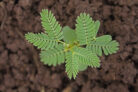
If you’re going for total removal, your best bet is to get an excavator or a sturdy spade and garden fork to dig out as much of the root system as possible. If you see new suckers popping up later, jump on them early! Dig down to where the sucker meets the main root and remove it entirely. Try to be careful not to “wound” the remaining roots unnecessarily, as any damage can actually trigger the tree to send up even more new shoots.