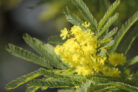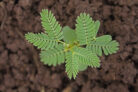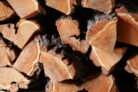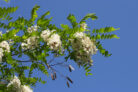
Black locust wood is a favorite for furniture makers and outdoor builders because it’s incredibly tough and rot-resistant. But if you’ve got a pile of this sweet-smelling wood sitting around, you might be wondering: *Can I actually burn it in my fireplace?* The answer is yes, but there are some pros and cons you should definitely know before you light a match.
Using Black Locust Wood
Because it’s so dense and durable, you’ll usually see black locust used for high-end patio furniture, kids’ playground sets, and fence posts. However, it’s also gained a reputation in the wood-burning community. Let’s look at whether it’s the right choice for your hearth.
The Perks of Burning Black Locust
There’s a lot to love about black locust when it comes to heating your home. Here are the highlights:
- It has an incredibly high heat output.
- It burns very hot and long.
- It gives off a subtle, pleasant, sweet aroma.
- It produces very few sparks, making it a fantastic choice for open fireplaces where safety is a priority.
Black Locust Packs a Punch
When you’re picking out firewood, the “heating value” (or BTU) is the most important stat. Black locust is a heavyweight in this category, boasting about 2,100 kWh per cord. That puts it right up there with gold-standard hardwoods like oak and beech. If you want a fire that lasts through the night, this is your wood.
The Downsides to Consider
It’s not all sunshine and rainbows, though. There are a few reasons why some folks skip the black locust:
- It can be pretty pricey if you’re buying it by the cord.
- It’s notoriously stubborn to light (you’ll need plenty of kindling!).
- It doesn’t give you that classic, cozy “crackle and pop” sound that other woods do.
How to Season and Store It
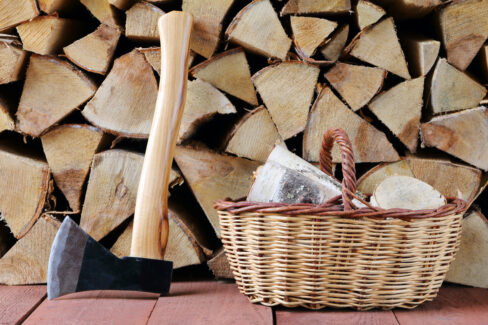
Like any firewood, black locust needs to be seasoned properly before it hits the stove. The good news? It actually dries relatively fast—usually in about a year. To keep it in top shape and avoid mold, make sure it’s protected from rain and standing water. A well-ventilated woodshed or a carport is perfect because it keeps the logs dry while letting the air circulate freely.
A Word of Caution: It’s Toxic
This is the most important thing to remember: black locust is toxic. The bark is actually the most poisonous part of the entire tree. You need to be careful not just when you’re tossing a log on the fire, but also when you’re splitting or stacking it. To stay safe, avoid direct skin contact and always wear a good pair of work gloves when handling it. Keep kids and pets away from the unburned wood, too!