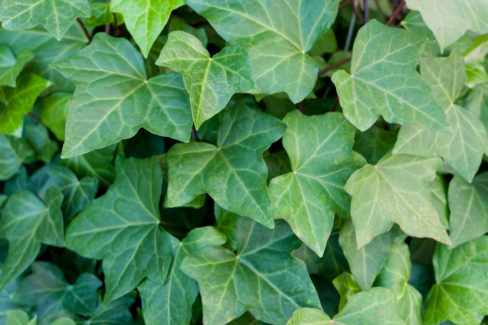
Around here, you can’t go far without running into lush, evergreen English Ivy. You might not even have to leave your own backyard to find some! Since it’s so easy to find, you might be wondering: is ivy actually edible? Before you think about adding it to a salad, you definitely need to read this.
Medicinal Plant of the Year 2010
Common Ivy (*Hedera helix*) is the variety we see most often. Back in 2010, it was actually named “Medicinal Plant of the Year.” While that sounds like a glowing endorsement of its chemical properties—and it is a big deal in the world of natural remedies—it’s definitely not a green light to start snacking on it.
Ivy is Highly Toxic
Here’s the deal: Ivy is both a medicinal plant and a poisonous one. That might sound like a contradiction, but as the old saying goes, “the dose makes the poison.” In the case of ivy, toxic compounds are found in every single part of the plant:
- Roots
- Stems
- Leaves
- Flowers
- Berries
The highest concentration of toxins is found in the berries, which look surprisingly tempting to eat. Luckily, ivy doesn’t usually start blooming until it reaches its adult phase, which takes about 10 years. So, a young plant won’t even offer that temptation. Plus, those berries (which look a bit like currants) taste incredibly bitter.
Serious Consequences
Even just getting the sap on your skin can cause nasty inflammation or a rash. Eating it is much more dangerous, and the symptoms are no joke:
- Severe headaches
- Vomiting
- Diarrhea
- Rapid pulse
- Shock
- Respiratory failure
In the worst-case scenario, respiratory failure can be fatal. I really can’t stress enough how important it is to keep this plant away from your mouth!
Pro Tip:
Always wear gloves and long sleeves when pruning your ivy. Make sure to dispose of the clippings immediately and safely so the toxic bits don’t end up where they shouldn’t be.
Keep an Eye on Kids and Pets
We all know little ones are curious and don’t always stay in our line of sight. If you have ivy as a houseplant within reach, those berries can end up in a toddler’s mouth in the blink of an eye. Because they taste so bitter, a child likely won’t eat many, but for a small body, just 2 or 3 berries can cause severe poisoning or even be fatal. The only way to be 100% safe is to keep ivy completely out of their reach. By the way, this goes for your furry friends like dogs and cats, too!
Using Ivy as a Remedy
When used as a medicine, ivy is mostly applied topically (on the skin). Some people do use it internally as a tea, but please, don’t try to DIY this! The risk of getting the dosage wrong and poisoning yourself is just too high. Only use ivy-based remedies after consulting with a medical professional or a trained herbalist.