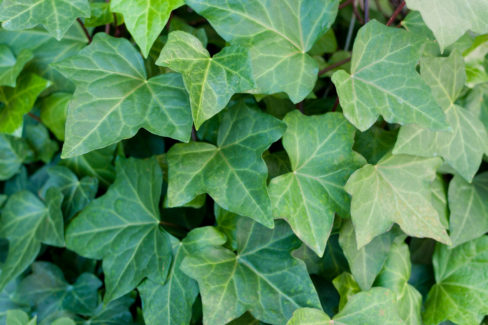
If we just step back and let nature do its thing, English ivy can live an incredibly long time. Because it’s in no rush, the plant actually goes through a distinct “youth” phase where it focuses entirely on spreading its vines. But once it hits its “adult” stage, everything changes.
The Long Life of English Ivy
Believe it or not, English ivy can live for 400 years or even longer! When we first plant it in our gardens, we’re really only seeing the very beginning of its story. The first ten to twenty years are considered its youth; only after that does it transition into its mature adult form.
The “Youth” Phase: All About the Climb
A young ivy plant puts every ounce of its energy into growing those iconic vines. About two or three years after planting, you’ll really start to notice its vigorous growth. In the right spot, it can put on up to 6 feet of new growth per year! Interestingly, it actually grows faster the more shade it gets. If you decide to fertilize it (which usually isn’t necessary outdoors), it can quickly turn into a weed that’s pretty tough to get rid of. One thing you won’t see during this stage? Flowers. Young ivy just doesn’t bloom yet.
Quick Tip:
Don’t be afraid to prune your ivy several times a year to keep it from taking over or to help shape it.
What Changes in the Adult Stage?
Once the ivy reaches maturity, it starts acting like a completely different plant:
- Growth slows down by about half.
- It starts growing upright from the main root.
- The plant becomes increasingly woody.
- A visible trunk begins to form.
- It starts growing outward (bushier) rather than just upward.
- It can be trimmed like a hedge or a shrub.
- The leaf shape changes—instead of the classic lobed look, the leaves become more heart-shaped.
- You might even see both leaf shapes on the same plant at once!
- The ivy finally becomes “fertile,” with its first blooming season occurring in the fall.
- Small berries develop and ripen by springtime.
A Note on Safety:
English ivy is toxic, and the berries have the highest concentration of toxins. Because of the risk of poisoning, it’s best to avoid planting it in gardens where small children or pets play.
Why Maturity Matters for Propagation
If you propagate new plants from a young ivy, you’ll get those classic climbing vines—perfect if you want a climber or want to try your hand at an ivy bonsai. However, if you take cuttings from an adult plant, the new plants will grow upright and bushy from the start. Plus, they’ll produce flowers much sooner!