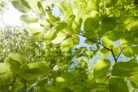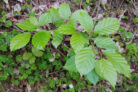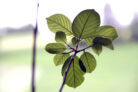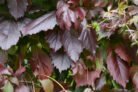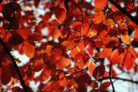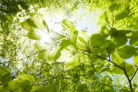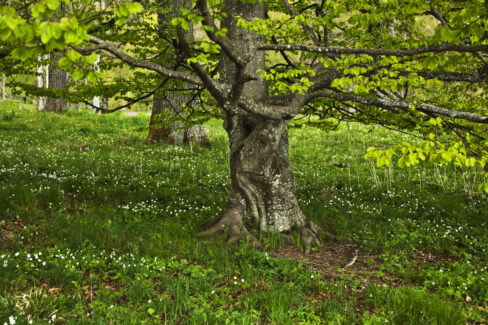
When you look at a massive, towering European Beech, it’s easy to assume these giants need a ton of fertilizer to stay that way. But surprisingly, that’s not the case at all! While young beeches appreciate a little extra help getting established, mature trees are actually pretty self-sufficient.
The Best Spot and Soil for Your Beech
Generally speaking, these impressive trees are pretty flexible when it comes to where they’ll grow. They love soaking up the sun, but they’re also perfectly happy in partial or even full shade. The real secret is in the soil: they want it nutrient-rich and well-draining. A bit of clay is fine, and they don’t mind a little moisture, but you definitely want to avoid “wet feet” (standing water).
Feeding Your European Beech
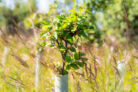
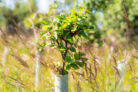
European Beeches are fast growers and hungry for nutrients, but this really only applies to young, newly planted trees. Older trees have deep, sprawling root systems that are experts at finding what they need on their own. For the youngsters, fertilizing during the first few years is key to encouraging strong branches and healthy roots. Here’s how to get them off to a great start:
- Give them their first “meal” right at planting time.
- Loosen the soil deeply so roots can spread easily.
- If your soil is heavy, consider adding drainage.
- Mix your excavated soil with compost and horn meal (or a similar organic slow-release fertilizer).
- If your soil is very acidic, add a bit of lime.
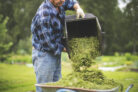
Once they’re in the ground, young beeches only need feeding during the growing season (March through August). You can use a specific beech or hardwood fertilizer once a month. If you prefer a “set it and forget it” approach, a slow-release fertilizer applied once in the spring works great too. Just a tip: it’s better to under-fertilize than overdo it, and make sure the fertilizer doesn’t touch the trunk or leaves. If you have homemade compost, a good layer in the spring is often all they need. Also, don’t be too quick to rake in the fall! Leaving fallen leaves around the base creates a natural mulch that feeds the soil and keeps moisture in.
By July, the trees get their last big growth spurt. Stop fertilizing after that! If you feed them too late in the season, the tree will produce tender new growth that won’t have time to harden off before the frost, leading to winter damage.
European Beech Hedges
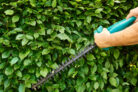
If you’re growing European Beech as a hedge, keeping them well-watered is the top priority so they can root properly. A dose of a balanced granular fertilizer (like Blaukorn) in the spring will help ensure your hedge grows in thick and lush.