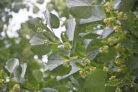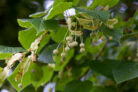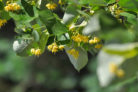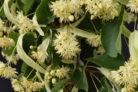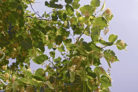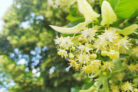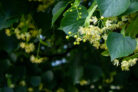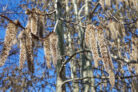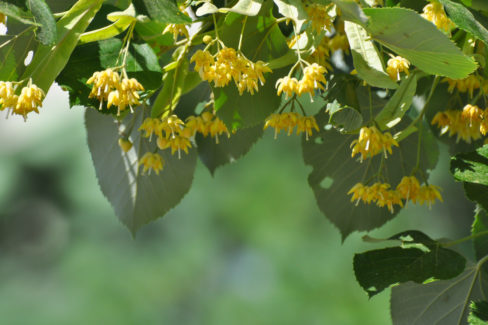
In June, the Large-leaved Lime (or Summer Linden) puts on a gorgeous show with its vibrant yellow blossoms. Once the bees have done their job and the flowers fade, the tree starts producing its fruit—those familiar little nutlets we see hanging from the branches. Most people don’t realize that these aren’t just decorative; they’re actually edible and surprisingly versatile!
Identifying the Fruit
The little nutlets of the Summer Linden have a few distinct features:
- They are small and round.
- They come equipped with a leafy, wing-like bract. This “wing” acts like a tiny glider, helping the seeds travel far and wide on the breeze to find a new place to grow.
Not All Linden Trees Are the Same
Depending on which species of Linden you’re looking at, the fruit will look a bit different. It’s also important to note that not every Linden variety is great for snacking. However, the fruit of the Summer Linden is perfectly safe to eat.
A Closer Look at Summer Linden Fruit
The fruit of the Summer Linden ranges from round to slightly oval. If you look closely, you’ll notice they have five distinct ribs and grow to about a third of an inch (1 cm) in size. Their color usually sits somewhere between a pale yellow and a soft green, though some can look a bit grayish. They also have a slightly fuzzy, felt-like texture on the surface.
Summer Linden vs. Little-leaf Linden
At first glance, the fruit of the Little-leaf Linden (Winter Linden) looks a lot like its summer cousin. The real giveaway is the texture. The Little-leaf Linden produces much softer fruit. You can do a quick “finger test” to tell them apart: if you can easily crush the nutlet between your fingers, it’s likely a Little-leaf Linden. The Summer Linden fruit is much tougher.
Silver and Crimean Lindens
If you spot Linden fruit that looks significantly larger and rounder, you might be looking at a Silver Linden or a Crimean Linden. These also stand out because of their color—Silver Linden fruit is much lighter and paler than the Summer variety.
It’s All About the Seeds
Inside those little nutlets is where the magic happens: the seed. By the time September rolls around, the seeds are fully mature. This is when the fruit drops from the tree, using those handy “wings” to catch the wind. Because they are so light and aerodynamic, these seeds can travel hundreds of yards away from the mother tree to start a new life.