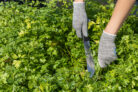
Nature has a remedy for just about everything if you know where to look. In this post, I’m breaking down nine of the most popular medicinal plants you can grow or find nearby, plus a little “secret” tip at the end that most people overlook!
[[pflanzen]]
++German Chamomile (Matricaria recutita L., Chamomilla recutita)
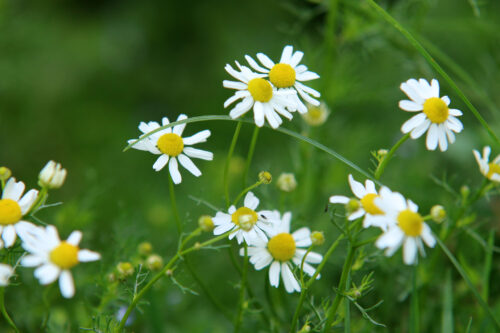
You can spot German Chamomile by its bushy, delicate growth and those classic white daisy-like flowers with bright yellow centers that pop up from May to July. One of the best ways to identify it is by the scent—it smells wonderfully like ripe apples! This herb is a powerhouse for fighting inflammation and bacteria. It’s the go-to remedy for an upset stomach, bloating, or that “too full” feeling after a big meal.
++Peppermint (Mentha x piperita)
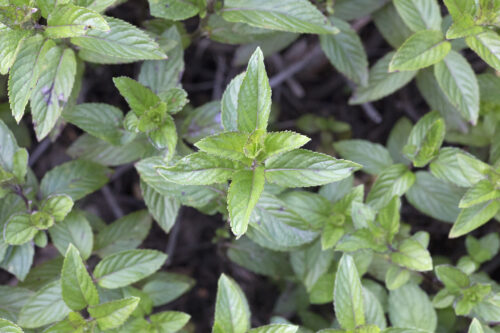
Peppermint is a hardy, perennial favorite that’s incredibly easy to grow. Depending on the variety, the leaves can range from light green to a deep, reddish-purple. If you look closely at the underside of the leaves, you’ll see tiny oil glands that release that signature refreshing aroma. From June to September, it produces pretty spikes of white, pink, or purple flowers. It’s been a staple in home apothecaries for centuries thanks to its ability to soothe cramps and reduce inflammation.
++Calendula / Pot Marigold (Calendula officinalis)
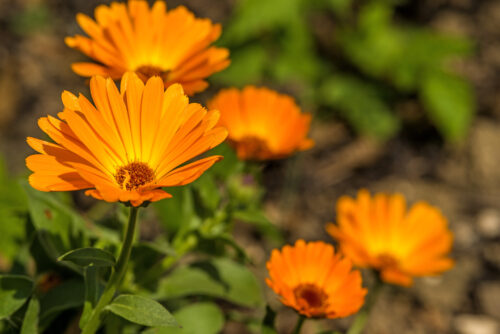
Calendula is a classic garden ornamental that pulls double duty as a healing herb. This upright, bushy annual is famous for its vibrant yellow and orange petals, which often have a dark center. Fun fact: the flowers actually close up at night! While they look great in a flower bed, the flower heads are often infused into salves to help heal irritated or wounded skin.
++Fennel (Foeniculum vulgare)
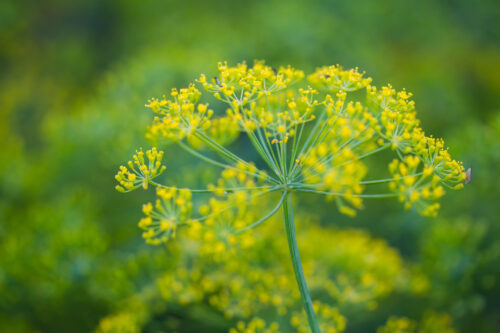
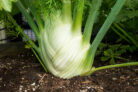
Herb fennel doesn’t grow a bulb like the vegetable kind; instead, it grows as a tall, feathery biennial. In its second year, it produces beautiful umbrella-shaped yellow flowers that pollinators absolutely love. The crescent-shaped seeds are packed with essential oils and have a lovely licorice-like scent. Fennel tea is incredibly gentle, making it a favorite for soothing stomach cramps and gas, even for kids.
++Yarrow (Achillea millefolium)
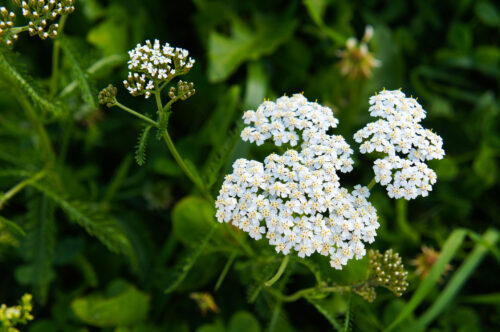
Yarrow is a tough cookie—it grows wild in meadows and even in poor, dry soil. You’ll recognize it by its very fine, feathery leaves and the flat clusters of tiny white flowers that bloom starting in June. Its anti-inflammatory properties are actually scientifically proven! Whether used as a tea or added to a bath, yarrow is great for digestive issues and can even help with menstrual cramps.
++Sage (Salvia officinalis)
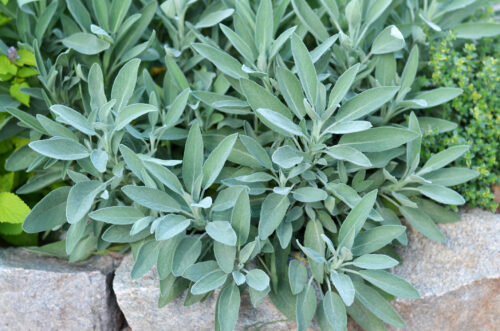
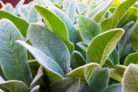
Originally from the Mediterranean, sage is just as valuable in the medicine cabinet as it is in the kitchen. It grows in clumps with velvety, lance-shaped leaves. If you rub a leaf between your fingers, you’ll get a strong, camphor-like scent. It blooms in shades of purple, white, or pink from May to September. Because it’s naturally antibacterial, sage tea is a fantastic remedy for sore throats and mouth irritations.
++St. John’s Wort (Hypericum perforatum)
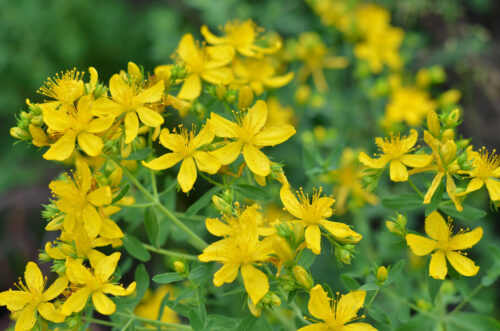
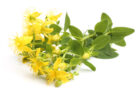
St. John’s Wort is a hardy perennial that can reach about three feet in height. If you hold a leaf up to the light, you’ll see tiny translucent dots—those are actually glands filled with essential oils. From June to August, it bursts into bright yellow flowers with long, showy stamens. Many people use the famous “red oil” made from the flowers to treat minor burns and wounds, and St. John’s Wort is also widely known for its use in supporting emotional well-being and mild depression.
++Thyme (Thymus vulgaris)
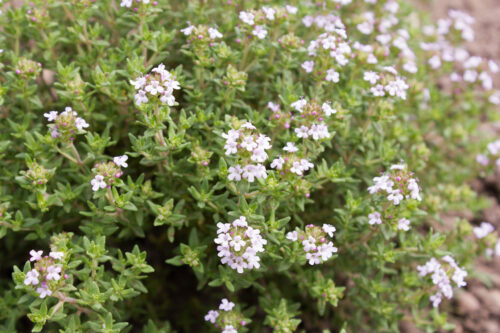
Thyme grows in low, spreading mats with woody stems and tiny, fuzzy leaves. From late spring through fall, it’s covered in small pink to purple flowers. Thyme is a heavy hitter when it comes to respiratory health; its natural antibiotic properties make it excellent for fighting off bronchitis or the flu. It’s also great for oral health and can even help freshen up bad breath!
++Lavender (Lavandula angustifolia)
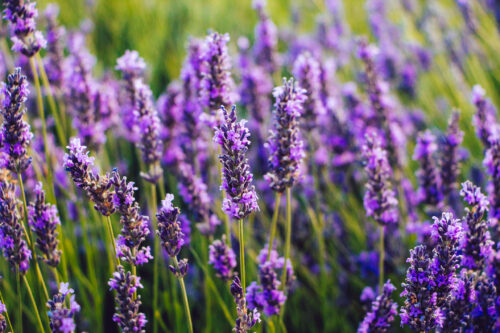
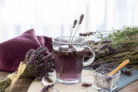
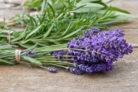
English Lavender is a beautiful woody shrub that can grow quite large in the right spot. Its silvery-green foliage is covered in fine hairs, and the iconic purple flower spikes appear all summer long. If you’re having trouble sleeping, the scent of lavender is incredibly calming. Plus, it’s a natural insect repellent—perfect for keeping moths away from your closet!
%%Stinging Nettle (Urtica dioica)
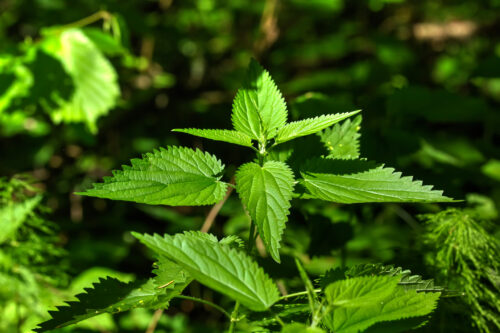
Nettles might be famous for their “sting,” but they are actually a nutritional goldmine. The leaves are covered in tiny stinging hairs, so definitely wear gloves when harvesting (or carefully brush them from bottom to top to avoid the prick). Nettle leaves make a wonderful detoxifying tea and are a super healthy, vitamin-rich addition to smoothies. They’re great for skin health and are often used as a natural diuretic.