If your parsley leaves are starting to turn yellow, it’s a real bummer—usually, it means your harvesting days for that plant are over. This common issue is often called “parsley disease,” and it can be caused by a few different culprits. The tricky part? Once you see it, trying to “cure” the plant is rarely worth the effort. Your best bet is to focus on prevention so your next batch stays lush and green.
Common Mistakes When Growing Parsley
Most of the time, parsley disease kicks in because of a few simple gardening slip-ups. To keep your herbs happy, you’ll want to avoid these common pitfalls:
- Picking the wrong spot in the garden
- Forgetting about crop rotation
- Letting the soil get bone-dry or soggy
- Using soil that’s already harboring pests or fungi
Location and Crop Rotation
Parsley is a bit picky about its history. You shouldn’t plant it in any spot where its relatives—members of the Umbelliferae family—have grown in the last three years. This includes things like fennel, carrots, dill, and celery. Other than that, parsley will thrive as long as the spot is:
- Partially shaded
- Not too hot or in direct, scorching sun
- Filled with loose, nutrient-rich soil
The Golden Rule of Watering
Having loose soil is half the battle because it prevents water from pooling around the roots. The other half is all about your watering routine. Parsley loves moist soil, but it absolutely hates being waterlogged or completely dried out. Wait to water until the top inch or so of soil feels dry. It’s better to water a little more often than to drown the plant all at once.
Pro Tip:
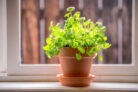
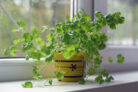
If you’re growing parsley in a pot, make sure to empty the saucer or decorative planter shortly after watering so the roots aren’t sitting in a puddle.
Soil Pests and Fungal Spores
Parsley roots are like a magnet for tiny troublemakers like nematodes, maggots, aphids, and fungal spores. Because these pests are microscopic, they’re easy to miss, and they can hang out in your soil or compost for a long time. This is exactly why crop rotation is so vital! Keep a close eye on your plants, and if you see one looking sickly, pull it out immediately and toss it in the trash—not the compost bin.
What to Do if Your Parsley is Already Yellow
If the yellowing is just starting and you realize you’ve been overwatering, you might be able to save the plant by adjusting your habits. However, in most other cases, it’s best to just pull it up. Avoid composting diseased plants so you don’t spread the fungus or pests to the rest of your garden. If you’re growing in containers, start fresh with a clean pot and brand-new potting soil.
Tips for Growing Stronger Parsley
For extra-hardy plants, try starting your seeds indoors in sterile seed-starting mix and wait until August to transplant them into the garden. If you prefer sowing seeds directly into your garden beds, August is actually a better time than spring for avoiding common pests. For those growing parsley on a windowsill or balcony, make sure your soil is clean. If you’re worried about hitchhikers in your soil, you can even sterilize it in the oven before planting!