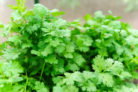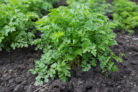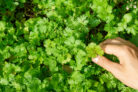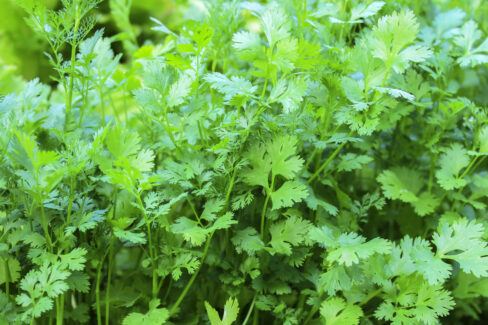
Parsley can be a bit of a “diva” in the herb garden. It’s a sensitive plant that only shows off those lush, deep green leaves when its living conditions are just right. If you’re noticing white or yellow spots, it’s usually a cry for help. These spots are often signs of a few common mistakes, a bad location, or even a fungal infection.
Common Culprits
- Waterlogging (Soggy feet)
- Depleted soil
- Sunburn
- Powdery and Downy Mildew
Waterlogging
While parsley likes its soil moderately moist, it absolutely hates having “wet feet.” If the roots sit in water for too long, it’s game over. You’ll notice the stems starting to droop, and those tiny white spots will gradually take over the leaves. If this happens, take a break from watering. Let the top layer of soil dry out completely before you give it another drink. If your parsley is in a pot, make sure to empty any standing water from the saucer or planter immediately.
Depleted Soil
You can’t get vibrant green parsley from “tired” soil. For starters, you shouldn’t plant parsley in a spot where other members of the carrot family (umbellifers) grew in the last four years. In the garden, white spots that eventually turn yellow can also be a sign of a magnesium or molybdenum deficiency. Sometimes, soil-dwelling pests can also make the ground uninhabitable.
If your parsley is potted, your best bet is to swap out the old soil for fresh potting mix. In a garden bed, you can use targeted fertilizers to replenish missing nutrients. Moving forward, always practice crop rotation to keep your soil healthy.
Sunburn
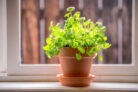
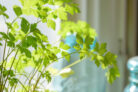
Parsley loves light, but it’s not a fan of direct, scorching sun. If it’s sitting in a spot that’s too bright, those leaves will develop white bleached spots. This happens even faster on a sunny windowsill because the glass acts like a magnifying glass. If your potted parsley is looking toasted, move it to a different spot. For garden beds, try providing some shade. Next time you sow parsley, aim for a partially shaded spot away from harsh midday rays.
Powdery and Downy Mildew
If you see a white, velvety coating on the tops of the leaves, you’re likely dealing with Powdery Mildew. Downy Mildew, on the other hand, hangs out on the undersides of the leaves but still causes yellowish-white spots on the top. These fungi live in the soil and spread like wildfire when the conditions are right.
If the infection is bad, prune off the heavily affected stems. You can also try a natural remedy by spraying the plant with a mixture of milk and water. To prevent mildew in the future, make sure your plants have plenty of airflow (don’t crowd them!), and avoid getting the leaves wet when you water.
Quick Tip:
Try growing parsley and chives together as companion plants. Many gardeners have found that this duo is much more resistant to mildew!