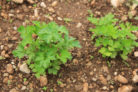
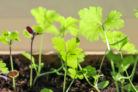
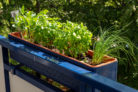
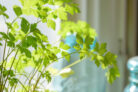
When it comes to growing parsley, the soil is just one piece of the puzzle—but it’s a big one! For about two years, this flavorful herb relies on its soil for every drop of water and every bit of nutrition. If it doesn’t find what it needs, those vibrant green sprigs will start to suffer, and the plant might even give up on you. Let’s dive into what makes the perfect “home” for your parsley.
Parsley is a Hungry Herb
You might be tempted to grab a bag of standard “herb potting mix” at the store, but here’s a pro tip: it’s usually not the best fit for parsley. Most of those mixes are designed to be “lean” for Mediterranean herbs like rosemary or thyme that thrive in poor soil. Parsley, on the other hand, is a heavy feeder and needs plenty of nutrients to stay lush.
- Grow your parsley in humus-rich soil.
- Mix in some well-aged compost to give the soil a boost.
- Alternatively, use organic horn meal or bone meal for slow-release nutrients.
- Stick to high-quality organic options whenever possible!
Quick Tip:
Parsley is not a light-germinator. After sowing your seeds, make sure to cover them with about a half-inch to an inch of soil. Be patient—it can take four to six weeks for those little sprouts to appear!
Parsley Loves Lime!
Parsley really appreciates soil with a bit of lime, but not every garden naturally has the right balance. If your soil is too acidic, you’ll need to adjust things with some targeted fertilizing. Not sure where your soil stands? You can easily and affordably test the pH level yourself with a kit from your local garden center or online.
Good Drainage Keeps Plants Healthy
Whether you are sowing seeds or transplanting starts, the soil needs to be nice and loose. Parsley likes to stay moderately moist, but it hates “wet feet” (standing water). If the soil is too soggy—or, conversely, bone dry—you might notice yellowing leaves or even fungal diseases. If your garden soil is heavy or prone to compacting, mix in a good amount of coarse sand to help it breathe. Just don’t overdo it; you still want the soil to hold onto enough moisture to keep the plant happy.
The Best Soil for Potted Parsley
If you’re starting seeds on your windowsill, a standard seed-starting mix works perfectly. Once the seedlings are a few inches tall and ready to be pricked out (transplanted), move them into a nutrient-rich, well-draining potting soil. One golden rule: never plant parsley in the same soil where it (or its relatives like carrots and dill) grew the year before. Parsley is “soil-sensitive” and won’t thrive in a spot where its own family has already used up the specific nutrients it needs.