While flies are technically harmless, let’s be real—when they show up in swarms, they are incredibly annoying. If you’re looking for a natural way to keep them at bay, I’ve got you covered. Here are seven of the best plants to repel flies, plus a little pro-tip at the end!
[[pflanzen]]
++English Walnut Tree (Juglans regia)
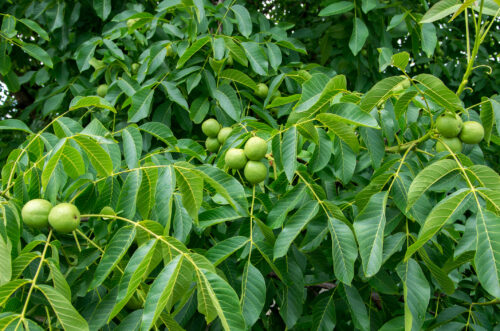
There’s a reason you’ll often see a massive walnut tree standing guard in front of old farmhouses. Flies absolutely hate the smell of the essential oils found in the leaves and fruit husks. These majestic trees can grow a canopy up to 40 feet wide, so they’re definitely best for larger yards. If you have the space, setting up a seating area under its shade is a romantic way to enjoy the outdoors without being pestered by bugs. Plus, you get a harvest of delicious, healthy nuts every fall!
++Lemon Balm (Melissa officinalis)
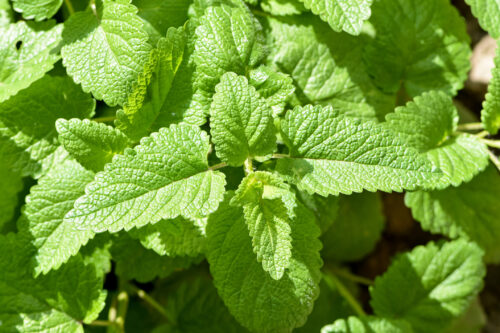
Lemon balm has a wonderful, bright citrus scent that we love, but flies find it totally repulsive. This Mediterranean herb is super versatile—it thrives in garden beds or in a sunny pot on your windowsill. It grows quickly and stays pretty compact, usually reaching about 20 inches tall. The light green, fuzzy leaves are packed with oil glands that release that fly-fighting scent. Starting in their second year, they produce edible white flowers in July that look great tossed in a summer salad.
++Geraniums (Pelargoniums)
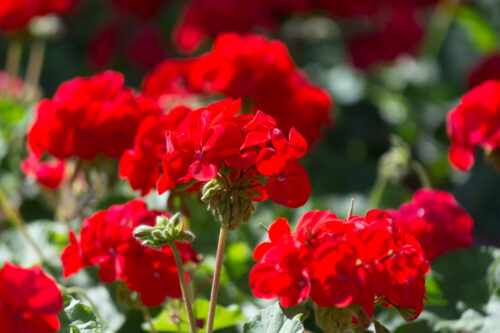
There’s a practical reason why classic red geraniums are the go-to choice for window boxes. These beauties give off a scent that acts like a “no-fly zone” for insects. They aren’t just for balconies, though; they do great in patio containers or hanging baskets in full sun. Just make sure to keep them watered and deadhead the old blooms regularly—this encourages the plant to keep pumping out new flowers all season long.
++Tomatoes (Solanum lycopersicum)
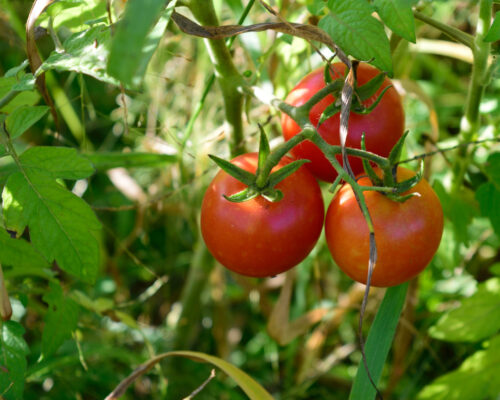
Since they love sheltered spots, tomatoes are perfect for growing on a porch or deck. Their distinct, spicy foliage scent is a natural deterrent for both flies and mosquitoes. Insects are especially wary of the fragrance from the small yellow flowers. There’s nothing quite like the taste of a sun-warmed tomato straight off the vine! Just remember: for a big harvest, these thirsty plants need consistent moisture and daily watering.
++Nasturtiums (Tropaeolum majus)
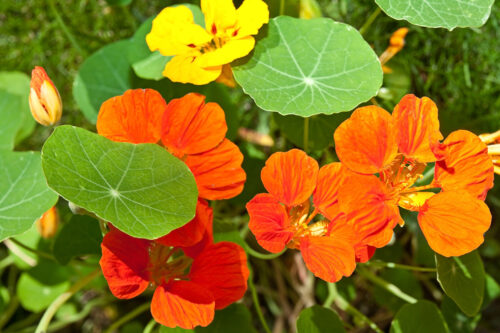
These South American natives are usually grown as annuals because they can’t handle the frost. Starting in June, they burst into vibrant yellows, oranges, and reds, blooming right up until the first cold snap. The shield-shaped leaves even have a cool “lotus effect” where water beads right off them. While we find their aroma pleasant, it’s a major turn-off for flies and mosquitoes. Bonus: the leaves, flowers, and seeds are all edible and have a nice peppery kick!
++Basil (Ocimum basilicum)
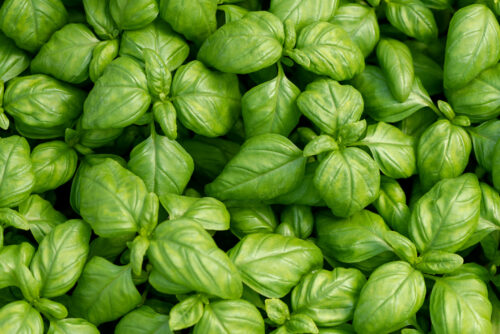
You can’t have a Mediterranean kitchen without basil! This sun-loving herb has leaves full of oil glands that release a powerful fragrance. Flies will go out of their way to avoid areas where basil is growing. Between June and September, you might see small, white flowers—these are edible, too! When harvesting, try to snip off the entire stem rather than just individual leaves; this encourages the plant to grow bushier and produce even more fly-repelling foliage.
++English Lavender (Lavandula angustifolia)
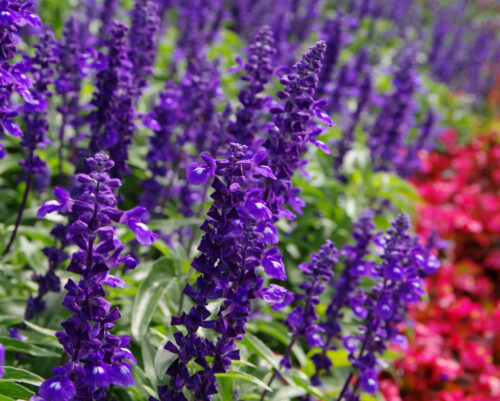
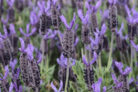
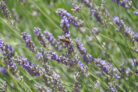
English Lavender is a garden favorite that smells heavenly to us and attracts bees and butterflies like a magnet. However, flies, mosquitoes, and even wasps can’t stand it. The sunnier the spot, the more intense the fragrance from those purple flower spikes and needle-like evergreen leaves. This is a low-maintenance shrub that actually prefers it if you forget to water it every once in a while!
%%Mint (Mentha)
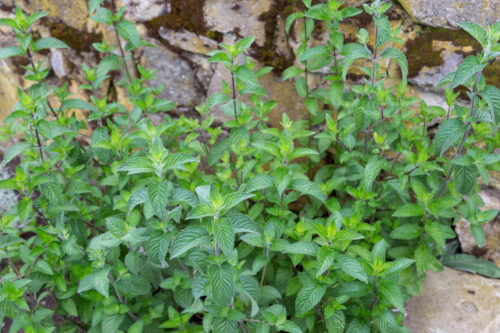
There are so many varieties of mint, each with its own unique twist on scent and flavor. But they all have one thing in common: they are fantastic at keeping flies away. You can recognize mint by its serrated, oval leaves and tiny white or purple flowers. Here’s my secret tip: cut back the stems just before they bloom and let them dry in a protected spot on your patio. The drying process releases a concentrated scent that keeps the bugs far away from your outdoor hangouts.