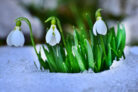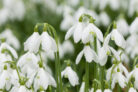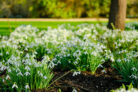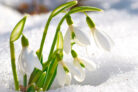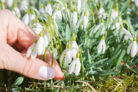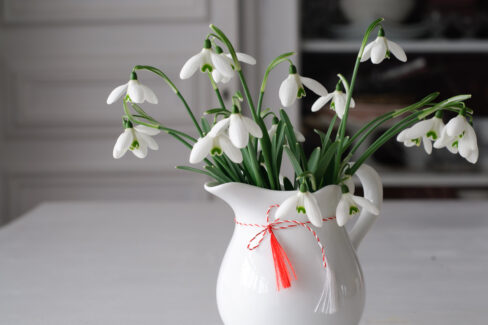
Snowdrops are the ultimate sign that winter is finally losing its grip on your garden. These tough little beauties usually start poking through the soil in late January or early February, followed quickly by those iconic, delicate white bells. If you’re tempted to bring a few indoors for a vase, you definitely can—but you’ll want to follow a few simple rules to keep your plants healthy.
How to Prune Snowdrops the Right Way
If you get a little too “clippie-happy” with your snowdrops, the plant can actually suffer, leading to fewer blooms next year. Here’s the cheat sheet for keeping them happy:
- Remove flowers once they’ve faded.
- Clear away wilted leaves (but only once they’re totally brown!).
- Snip off the seed pods right after flowering to help the plant save its energy.
- Remember: they work as cut flowers, but they have a short shelf life.
Using Snowdrops as Cut Flowers
You can certainly cut a few snowdrops for a tiny bud vase, but keep in mind they usually only last about a week indoors. If you want that spring look to last longer, I recommend placing a small potted cluster of snowdrops on your table instead. They’ll stay vibrant for several weeks that way! Just a quick heads-up: never pick or dig up wild snowdrops. They are protected by law, so stick to the ones in your own backyard or from the garden center.
Dealing with Seed Pods
Once those white bells fade, you’ll notice small green pods forming. These are the seed capsules, which ripen around April. Producing seeds takes a ton of energy out of the bulb. Unless you’re trying to grow a whole new colony from scratch, it’s best to snip these pods off early. This redirects all that “flower power” back into the bulb so it can recharge for next spring.
Cleaning Up After the Bloom
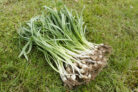
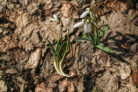
When the blooming season ends and the leaves start to look a bit yellow and tired, it’s time for a little cleanup. However, here is the golden rule of bulb gardening: don’t cut green leaves! The plant needs those leaves to photosynthesize and store nutrients back in the bulb. Wait until the foliage is completely yellow and withered before you cut or twist it off. Honestly, you can even leave the dead leaves right where they are; they’ll eventually decompose as the plant goes dormant. Once underground, the bulb rests and soaks up nutrients from the soil (often snacking on leftover fertilizer from your other plants), which means you don’t even need to give them extra fertilizer. Easy, right?