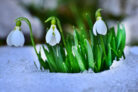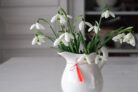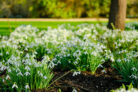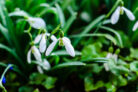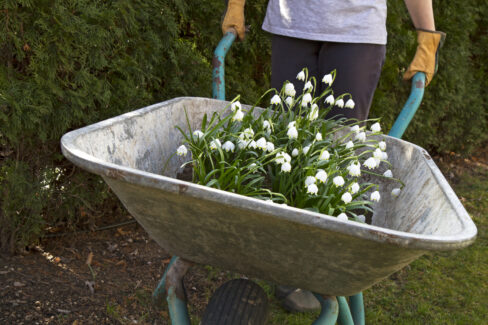
These pretty early bloomers are the true pioneers of the garden, often poking their heads through a blanket of snow before anything else even wakes up. To make sure they’re ready to announce spring on schedule, you’ll need to get those bulbs in the ground during the previous fall.
Buying Your Bulbs
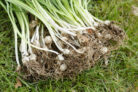
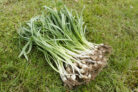
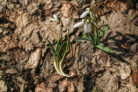
You’ll start seeing snowdrop bulbs in garden centers or hardware stores in late summer, usually in pre-packed mesh bags. Before you toss them in your cart, give them a quick “freshness test.” Gently squeeze a bulb between your thumb and forefinger. It should feel firm and plump with just a tiny bit of give. If the bulbs look shriveled or feel mushy, put them back—they likely won’t sprout, and they aren’t worth the effort.
The Perfect Spot and Soil
Snowdrops are happiest in a partially shaded to shady spot. Their absolute favorite place is the slightly damp soil under deciduous shrubs or perennials. These spots let in just enough sunlight for the flowers to open beautifully. As for the soil, they prefer it loose and rich in organic matter (humus). This type of soil holds onto moisture but lets excess water drain away so the bulbs don’t rot. Aim for a neutral to slightly alkaline pH.
How to Plant Your Bulbs
Before you get to planting, here’s a pro tip: soak your bulbs in lukewarm water for a few hours so they can hydrate. Once they’re ready, follow these steps:
- Don’t wait too long in the fall to get them in the ground.
- Try to plant them as soon as possible after buying them; they don’t like sitting in storage.
- Dig your holes about three times as deep as the bulb is wide.
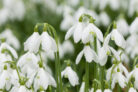
- For the best look, plant them in “bouquets”—tuck about five bulbs into each hole. Snowdrops always look better in clusters than standing alone.
- Mix a little compost into the soil you dug out, then cover the bulbs back up.
- Press the soil down firmly, give them a light watering, and maybe add a garden marker so you don’t accidentally dig them up later!
Snowdrops really pop when you mix them with other early birds like crocuses, hyacinths, or low-growing wild tulips.
Exploring Different Varieties
Believe it or not, there are about 20 species and over 500 registered varieties of snowdrops! While most people are familiar with the Common Snowdrop, the Giant Snowdrop, or the Green Snowdrop, there is a whole world of diversity out there. Since the bulbs all look pretty similar (small and brown), always check the label to see what you’re getting. Here are a few standout varieties to look for:
- ‘Big Boy’: Features impressively large, sturdy flower heads.
- ‘Cordelia’: A beautiful double-flowered variety with relatively large blooms.
- ‘Green Tear’: A real head-turner with distinct green petals.
- ‘Wendy’s Gold’: Features a striking yellow ovary instead of the usual green.
- ‘April Fool’: A late bloomer that waits until April to show off.
- ‘Samuel Arnott’: The perfect “beginner” snowdrop. It’s hardy, grows vigorously, and is super easy to care for.
With so many different shapes and sizes, it’s clear that snowdrops are anything but boring. Best of all, these tough little beauties aren’t bothered by winter weather or hard frosts—they’re built to handle the cold!