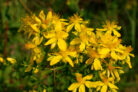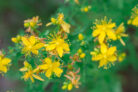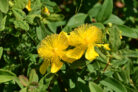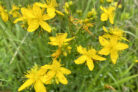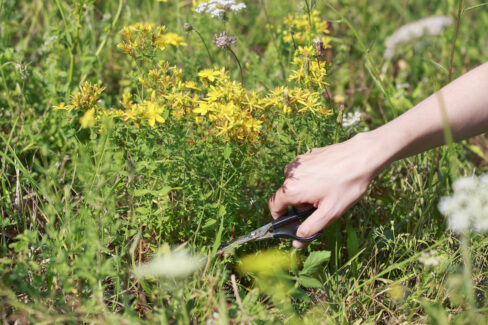
There are so many different varieties of St. John’s Wort you can grow in your home garden, and honestly, they’re all pretty low-maintenance. But at some point, they’re all going to need a little date with your pruning shears. Exactly when and how often you should prune depends on the specific variety you have and what you’re trying to achieve. Ultimately, as the gardener, the final call on when to snip is up to you!
Why Break Out the Shears?
While every plant is a bit different, here are the most common reasons you might find yourself pruning your St. John’s Wort:
- Deadheading wilted flowers
- Prepping the plant for winter
- Encouraging fresh new growth
- Taking cuttings for propagation
- Harvesting stems for herbal remedies
- Cutting flowers for indoor bouquets
- Removing frost-damaged branches
- Keeping the plant from spreading too far
- Cutting out diseased stems
Fall and Spring Pruning
For deciduous varieties like Common St. John’s Wort (*Hypericum perforatum*), you can give them a heavy haircut in either the fall or early spring (usually March or April). You can cut these guys back hard—leaving only about 4 inches of the plant above the ground. This clears out the old wood and makes plenty of room for vigorous new growth. Just make sure your shears are sharp and clean! If you’re growing the low-growing Creeping St. John’s Wort as a groundcover, you can even just run over it with a lawnmower on a high setting.
If you choose to prune in the fall, it’s a good idea to give the plant some winter protection like mulch or burlap to help it overwinter safely. In the spring, keep an eye out for any stems that didn’t survive the frost and snip those off to keep the plant healthy.
Mid-Season Touch-ups
You don’t have to wait for the big seasonal prune. Feel free to trim your St. John’s Wort anytime between spring and fall if it’s starting to take over more space than you’ve allotted for it, or if you notice any signs of disease that need to be cleared away.
Managing the Blooms
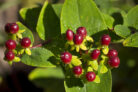
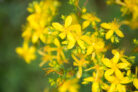
The bright yellow flowers of St. John’s Wort are a total showstopper in any garden bed. If you love bringing the outdoors in, you can cut stems in full bloom for floral arrangements. Some varieties, like Tutsan, produce beautiful red berries after the flowers fade, which look amazing in fall bouquets.
Pro tip: If you don’t want the plant to self-seed all over your garden, make sure to deadhead the wilted flowers right away. On the flip side, if you want to collect seeds to plant later, leave a few spent blooms on the bush.
Taking Cuttings
While propagating St. John’s Wort is usually easiest with seeds, you can also grow new plants from cuttings with certain varieties. The best time to take these is in mid-May, just before the plant starts to flower.
Harvesting for Home Remedies
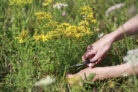
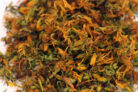
If you’re growing St. John’s Wort for its medicinal properties, you’ll want to harvest it during its peak blooming period (usually late June through August). Cut the top 8 inches of the flowering stems. Try not to take much more than that, or you might weaken the plant. You can use the fresh herb for teas, tinctures, oils, or even herbal liqueurs. If you want to save some for later, just bundle the stems together and hang them up to air dry.
Quick Tip:
If you’re foraging for St. John’s Wort in the wild rather than your backyard, make sure you can identify it with 100% certainty. You definitely don’t want to accidentally harvest Tansy Ragwort, which is toxic!