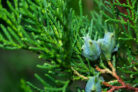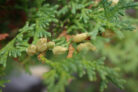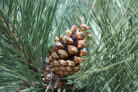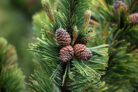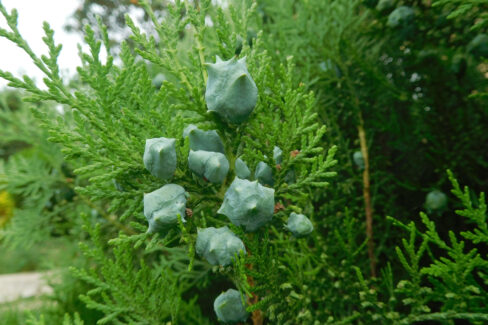
Not every Arborvitae (Thuja) produces cones every single year. While a sudden explosion of fruit can sometimes be a cry for help regarding soil quality, you don’t actually *have* to remove them for the tree’s sake—they don’t really drain much energy from the plant. However, if you’ve got little ones running around the yard, you’ll definitely want to take action.
Are Arborvitae cones poisonous?
The short answer is: yes, very. Every single part of an Arborvitae is highly toxic, and that includes the cones. Ingesting them can lead to severe poisoning that can be life-threatening. Here are some of the symptoms that can occur:
- Vomiting
- Diarrhea
- Irritation of the mucous membranes
- Organ damage
- Seizures
- Respiratory failure
If you have toddlers or young children in the house (or visiting your garden), it’s best to remove the cones. If you have a long hedge, that can be a pretty tedious chore! To save yourself the headache, you can prevent the cones from forming in the first place by pruning back the flower buds early on. But just to be clear: from a purely botanical standpoint, the tree doesn’t mind if the cones stay put.
Why is my Arborvitae producing more cones than usual?
Some years, your tree might start the process but won’t quite finish, resulting in brown buds that you can just leave alone. However, if your tree is suddenly loaded with way more mature cones than usual, it’s often a sign that it’s stressed. This usually means it needs a bit more fertilizer or that the soil is either bone dry or waterlogged. Try adjusting your watering routine and work some well-aged compost into the soil to give it a boost.
How do I remove the cones?
Removing the cones is pretty straightforward—you can just snip them off with garden shears or even pinch them off with your fingers. But wait! Make sure you’re wearing gloves. The sap is also toxic and frequently causes skin irritation or allergic reactions.
Also, remember to clean your shears before and after you work. Dirty tools are the fastest way to spread fungal diseases throughout your garden. When you’re done, it’s best to toss the cones in the regular trash. If you put them on your compost pile, they might just end up seeding themselves all over the place!