Think your shady garden spots are doomed to stay bare and boring? Think again! With the right perennials, those “difficult” areas can actually become the most lush and attractive parts of your yard. We’ve rounded up seven of the most popular shade-loving plants, plus a little “insider secret” pick to help you green up your garden.
[[pflanzen]]
++European Wild Ginger (Asarum europaeum)
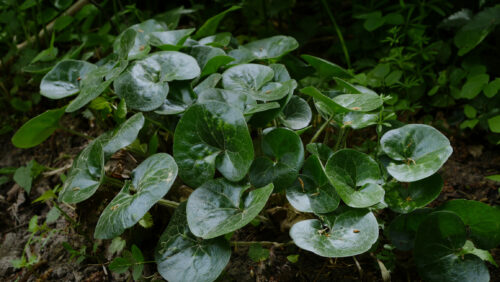
European Wild Ginger is a low-maintenance groundcover that only reaches about six inches in height. It’s the perfect choice for filling in those awkward bare spots under shrubs or as a glossy companion for ferns. It features kidney-shaped, evergreen leaves that stay vibrant even through the winter. If you crush a leaf, you’ll notice a spicy scent that smells just like freshly ground pepper! The flowers, which appear in March, are pretty modest and usually hide tucked away under the dense green foliage.
++Ferns (Pteridophyta)
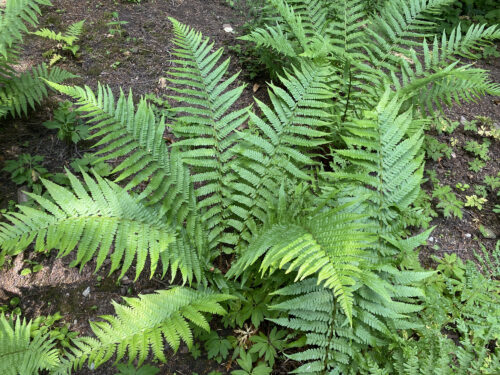
Ferns are like living fossils—they’ve been around for millions of years! These hardy plants grow from long-lasting rhizomes and can live for decades in your garden. Their delicate fronds add a wonderful texture to any shade bed. Depending on the variety, the color, shape, and size of the leaves can vary wildly. My favorite time to watch them is in the spring when the new fronds slowly unfurl like tiny “fiddleheads”—it’s a classic garden moment you don’t want to miss.
++Hostas (Hosta)
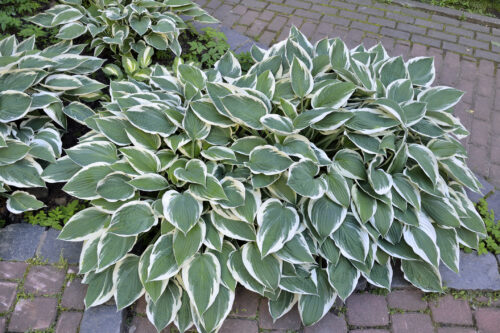
If you love variety, Hostas are for you. These shade staples come in so many different cultivars, ranging from tiny miniatures to massive, “look-at-me” XXL specimens. Their leaves come in shades of bright chartreuse, deep forest green, creamy white, and even steel blue—often with beautiful variegated patterns. Some varieties even turn a stunning golden yellow in the fall before going dormant. While they grow relatively slowly, they eventually form impressive clumps that anchor your garden beds beautifully.
++Monkshood (Aconitum)
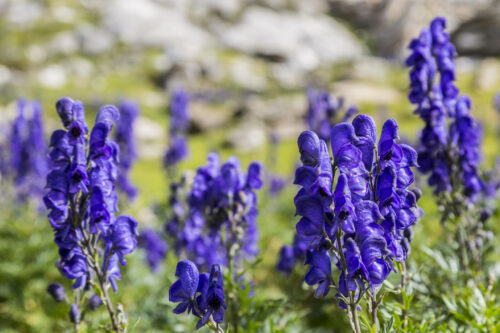
This “poisonous beauty” adds some serious height and drama to shady spots with its striking blue flower spikes. The individual blooms look like tiny helmets or hoods, which is how the plant got its name. Depending on which variety you plant, they’ll bloom in early summer, mid-summer, or even as late as September. Pollinators absolutely love them, so expect to see plenty of bees buzzing around these tall beauties from dawn till dusk.
++Foxglove (Digitalis)
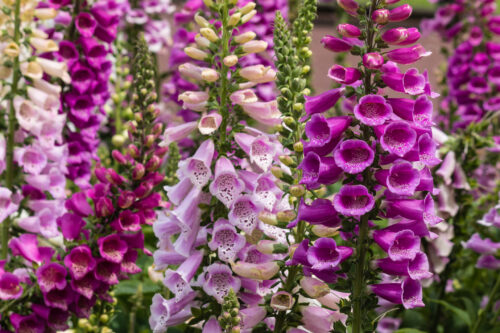
Foxgloves are classic biennial plants that love partial shade. In their first year, they grow a low rosette of soft, evergreen leaves. In the second year, they shoot up impressive flower stalks that can reach up to six feet tall! These are covered in bell-shaped flowers starting in June. Once the bees have done their work, the plant produces seed pods that allow the foxglove to self-seed and return year after year. Just a heads-up: these are highly toxic, so keep that in mind if you have curious pets or kiddos.
++Christmas Rose (Helleborus niger)
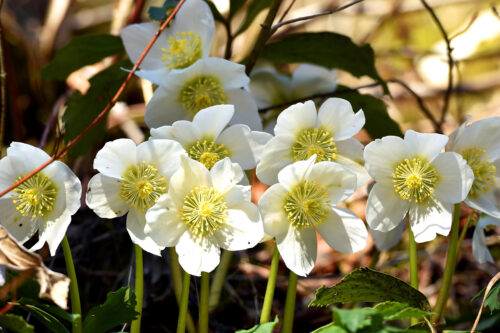
The Christmas Rose is a true winter hero, often blooming as early as January in milder climates. Their cup-shaped, snowy white flowers with bright yellow centers are a breath of fresh air when everything else is dormant. The leathery, dark green leaves stay on the plant year-round, providing great groundcover. They usually top out at about a foot tall. To get the best bloom, give them a spot in partial shade, like under the canopy of deciduous trees.
++Wood Anemone (Anemone nemorosa)
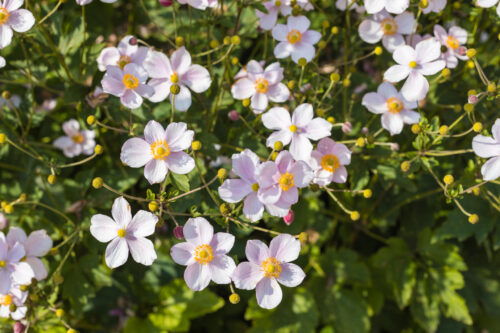
You’ve probably seen these delicate spring flowers in the woods, but they are just as charming in a home garden. They brighten up shady corners with their dainty white blossoms and pretty foliage. There are even special garden cultivars like “Blue Eyes,” which features a double bloom with a cool blue center. They are fantastic for “greening up” those tough spots under large trees or along a wild hedge where other plants might struggle.
%%Barren Strawberry (Waldsteinia geoides)
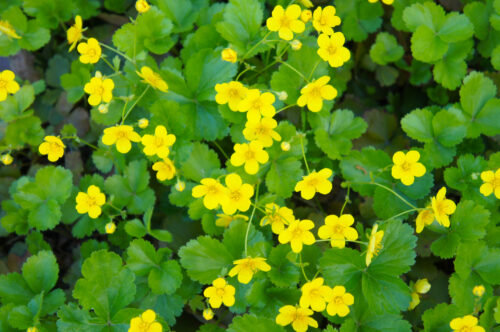
Here is my secret tip: the Barren Strawberry. This plant is a total workhorse that tolerates even the deepest shade near walls or under thick shrubs. While it looks a lot like a regular strawberry plant, it produces a carpet of bright yellow flowers instead. It spreads over time to form a dense green mat, effectively “carpeting” bare ground. Since the leaves stay green through the winter, it keeps your garden looking lush and tidy all year long.